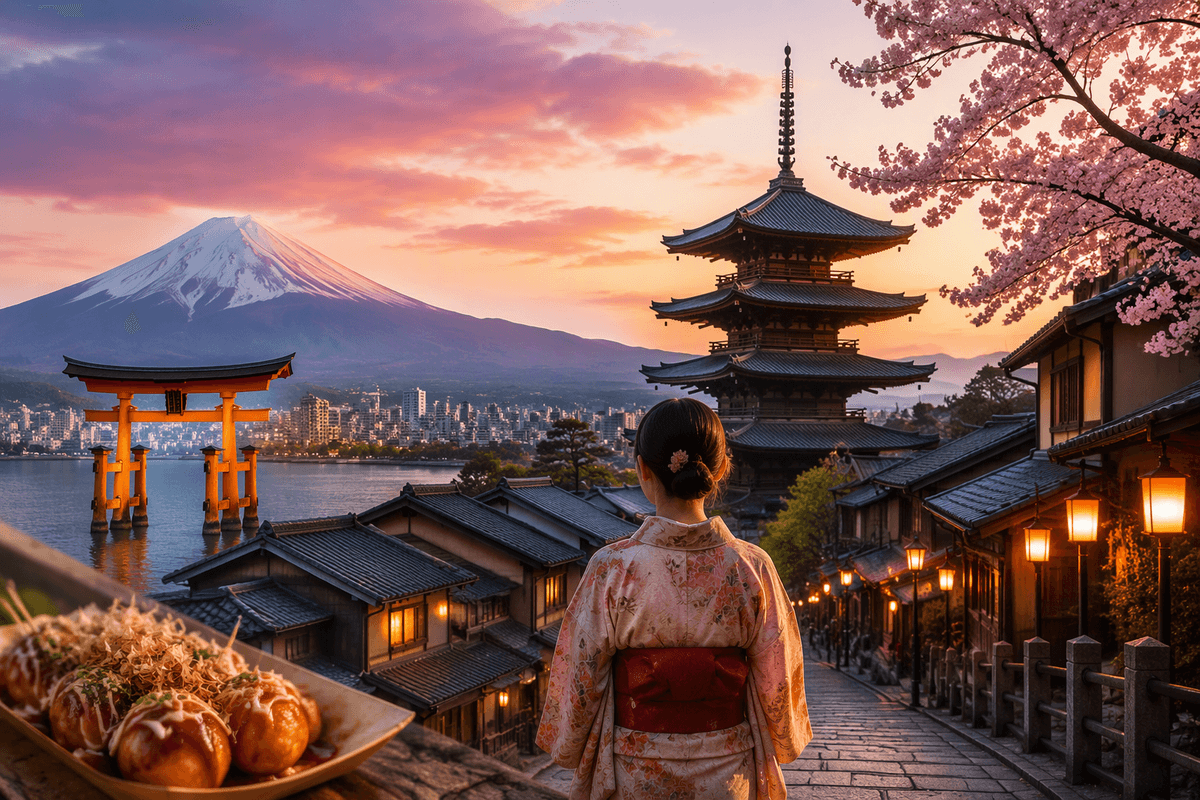
Set expectations for your first Japan trip
The first friction point hits before you even book flights: Japan rewards planning, but punishes overplanning. A 7–14 day trip can’t realistically “do” Tokyo, Kyoto, Osaka, plus half the country on day trips without turning your schedule into a commuter’s life. The trap is stacking famous spots as if they’re next door; in practice, even “quick” errands (finding the right subway exit, reloading an IC card, grabbing breakfast) quietly eat 20–40 minutes at a time.
Start by choosing 12 experiences total—roughly 1–2 anchor activities per day, with everything else as optional filler. Build them around geography: group neighborhoods, don’t crisscross a city for one photo. Expect transit to be smooth but not instantaneous; the trains run like clockwork, yet station size and transfers can add real friction. And plan for fatigue: shrine steps, concrete, crowds, and standing meals add up faster than your spreadsheet predicts.
Pre-book what actually has gates—popular restaurants, a specific onsen/ryokan night, any “only one time slot works” activity—and stay flexible everywhere else. Flexibility is your crowd-control tool: early mornings buy you quiet; late afternoons buy you breathing room; mid-day often buys you lines. The goal isn’t maximum coverage—it’s a pace you can sustain without resenting the logistics.
Tokyo essentials: neighborhoods, views, temples
The first time I tried to “just pop over” to three Tokyo neighborhoods in one afternoon, the city reminded me it’s not hard to navigate—it’s just big. The subway is reliable, but stations are vertical and sprawling, and the wrong exit can turn a five-minute walk into fifteen. For your Tokyo anchors, pick two zones per day and treat anything beyond that as a bonus: a west-day (Shibuya/Harajuku/Shinjuku) and an east-day (Asakusa/Ueno/Akihabara) usually beats a highlight reel that’s mostly transfers.
For views, choose one: an observation deck is clean and predictable (and often ticketed), while a skyline “moment” from street level is free but weather-dependent. If you’re mid-range and time-limited, paying for a deck can be a good trade when it’s hazy or you’re arriving tired—just book ahead if there are timed entries. Temples and shrines are the opposite: they’re flexible, but they punish peak hours. Asakusa’s Senso-ji works best early, when the approach is still waking up; Meiji Jingu feels most like a forest if you hit it before Harajuku gets loud.
The practical rule: pair one crowd-magnet with one low-friction wander. After a temple morning, let the afternoon be neighborhood texture—department store basements for food, a single shopping street, a park bench—because Tokyo’s best scenes happen when you’re not sprinting between “musts.”
Kyoto musts: shrines, gardens
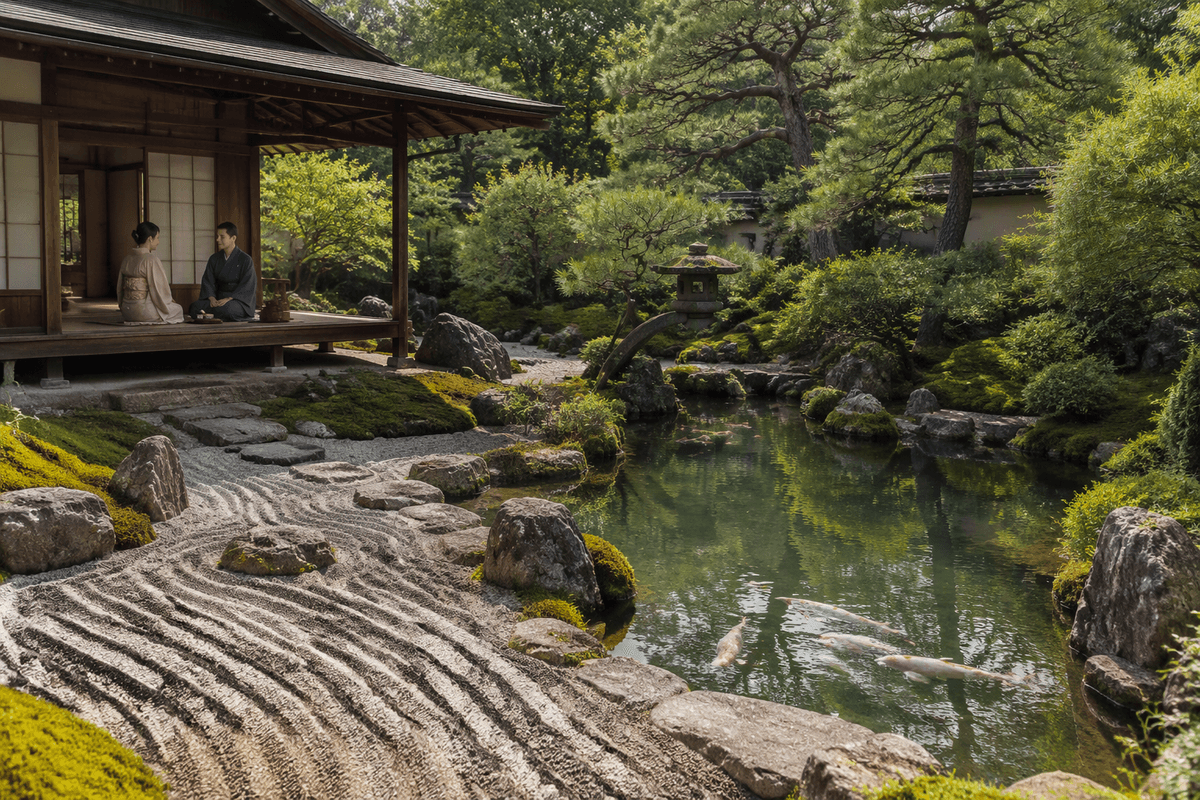
Kyoto is where your itinerary can quietly collapse under its own “just one more shrine” logic. The city looks compact on a map, but the friction is buses (slower, crowded, and easy to board in the wrong direction) and clusters that aren’t naturally connected. The move that actually works is committing to one Kyoto “side” per day: an eastern temples-and-streets day, or an arashiyama-and-gardens day, rather than ping-ponging across the river for single photo stops.
If you want the iconic shrine walk, treat Fushimi Inari like a timed hike, not a quick visit. Going early buys you space; going midday buys you shoulder-to-shoulder torii and a faster burnout. For gardens, pick one that matches your energy: a paid, curated garden is a reliable calm when the city is loud, but it’s also a “sit and look” experience that can feel slow if you’ve stacked too many temples already. Build in a long tea or lunch break nearby—Kyoto rewards pauses more than efficiency.
Osaka highlights: street food and nightlife
Osaka is where your “one more stop” instinct gets you—because everything feels close around Namba, until you realize you’ve spent 25 minutes just surfacing from the right subway exit. If you want the street-food version of Osaka, pick one primary lane: Dotonbori for neon-and-snacks energy, or Kuromon Market for earlier, calmer grazing. Trying to do both plus Shinsekai in one night usually turns into a lot of walking and not much eating.
My best trade-off here is to anchor dinner with one reliable sit-down (okonomiyaki or kushikatsu) and treat everything else as “one bite each.” Street lines can be real after 7 p.m., and you don’t want your whole night to be queue management. Nightlife is easiest when you respect the last train: if you’re staying outside Namba/Umeda, either call it earlier or budget for a taxi so you’re not sprinting to a platform hungry and annoyed.
Iconic day trips: Nara, Hakone, Hiroshima
The day-trip temptation spikes right about here: you’re finally comfortable on trains, and suddenly every map pin looks “close enough.” The day trips don’t just cost transit time—they cost recovery. If you’re doing Tokyo + Kyoto + Osaka in 7–14 days, I’d treat day trips as 1–3 total, not a default add-on, and I’d decide based on what kind of day you actually want: low-effort wandering, scenic reset, or a long, history-heavy push.
Nara is the easiest win from Osaka or Kyoto: short ride, minimal planning, and you can keep it to a half-day if you’re moving slowly. It works well when you’re tired but still want something memorable—park, temples, a few streets—then back for dinner. Hakone is the opposite: it’s a logistics day. The loop is fun when weather cooperates, but it can be foggy, lines stack up, and you’re juggling transport modes; do it only if you’re okay trading simplicity for scenery.
Hiroshima is your “commit” trip. It’s absolutely doable as a long day from Osaka/Kyoto, but it’s a full-span train schedule with less flexibility if you miss connections. If you go, make it your only major task that day, leave early, and don’t stack a big nightlife plan afterward—you’ll feel the distance even if the shinkansen is smooth.
Cultural bucket list: onsen, ryokan, tea, sumo
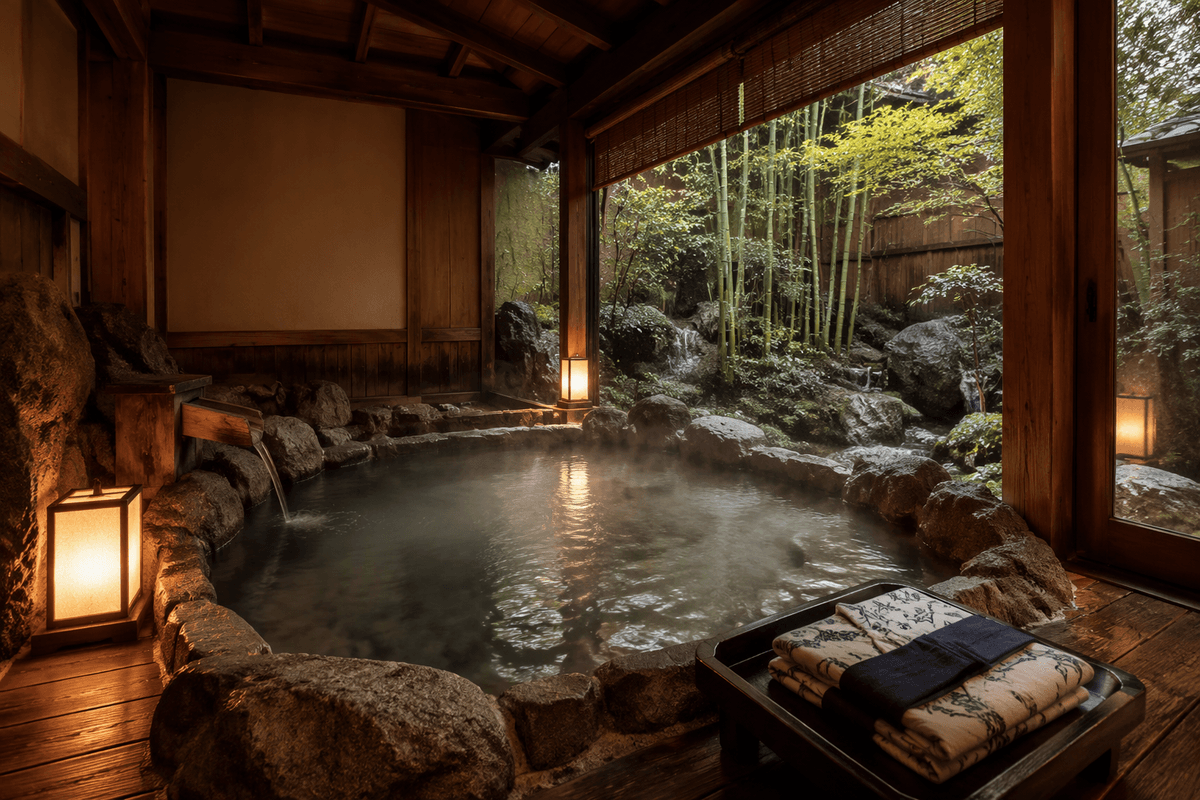
The first time I tried to “fit” an onsen into a city day, I learned the hard way that relaxation is still an activity with logistics. If you want one hot-springs experience without derailing your route, do it as a dedicated evening near where you’re already sleeping—Kyoto after a temple-heavy day works well—rather than a cross-town detour that turns into wet hair, extra transit, and a rushed dinner. A simple public bath is efficient and affordable, while a private onsen/ryokan night is the splurge that buys you calm, but it eats both money and a full afternoon check-in window.
Tea is the opposite: low friction if you keep it simple. A formal tea experience can be a great “slow hour” between crowded sites, but it’s easy to overpay for something you’re too tired to appreciate. I’d schedule it earlier in the day, when you’ll actually notice the details, and treat it as a reset button rather than a box to tick.
Sumo is the one bucket-list item that punishes improvisation. A tournament day is an all-in time block, and even non-tournament events can be limited or sell out. If sumo matters to you, pick your city days around it and lock it first—everything else is more flexible than your chance to see it.
Wrap-up: balancing cities, culture, and pace
The last decision that actually saves your trip is admitting you can’t be “efficient” and present at the same time. If you’re trying to balance Tokyo, Kyoto, and Osaka in 7–14 days, your 12 anchors should look less like a greatest-hits checklist and more like a rhythm: one big sight, one neighborhood wander, one slow cultural hour, repeat. When that rhythm breaks—usually because you’ve stacked three temples, a museum, and a reservation dinner—you’ll feel it in the evening, not on the spreadsheet.
A workable split is simple: Tokyo gets your scale (views, neighborhoods), Kyoto gets your intention (shrines, gardens, tea), Osaka gets your appetite (street food, late-night energy), and day trips earn their slot only if they change the texture of the week. “One more area” is rarely free; it costs transfers, wrong exits, and decision fatigue. Build in daily slack—one unbooked meal, one open hour—because that’s what lets you dodge lines, ride a good weather window, or quit early without guilt.
Book the few things that can lock you out (ryokan/onsen night, sumo, any timed tickets), then let the rest breathe. If you end most days a little early and a little hungry, you’ve probably paced it right.