Starting point: Kolkata to South Africa expectations
The first surprise, planning from Kolkata, is that “South Africa in 10 days” isn’t one trip—it’s three stitched together: Cape Town, coastline, and safari. Packages look similar until you notice where they spend your hours: in a vehicle, on a plane, or actually on the ground.
Before comparing prices, I set expectations: early starts are common, internal flights can save a full day but add cost, and “safari included” can mean anything from a top private reserve to a crowded park edge. That framing makes the itinerary math clearer.
Before booking: visas, flights, seasons, add-ons
The first friction point is paperwork and routing: visas can be straightforward if your documents are clean, but turnaround times don’t always match “sale fare” timelines. From Kolkata, most mid-range packages assume a single-connect flight (often via Middle East hubs); cheaper tickets can quietly mean punishing layovers and lost Day 1 energy.
Season is the next hidden cost. Cape Town summers bring longer daylight but higher rates and crowds; shoulder months can feel calmer, though wind and quick weather shifts can mess with peninsula days. When comparing packages, price out add-ons upfront—Table Mountain fast-track, Cape Point funicular, wine tram, and safari upgrades—because “optional” often becomes “inevitable.”
Days 1–2: Cape Town essentials
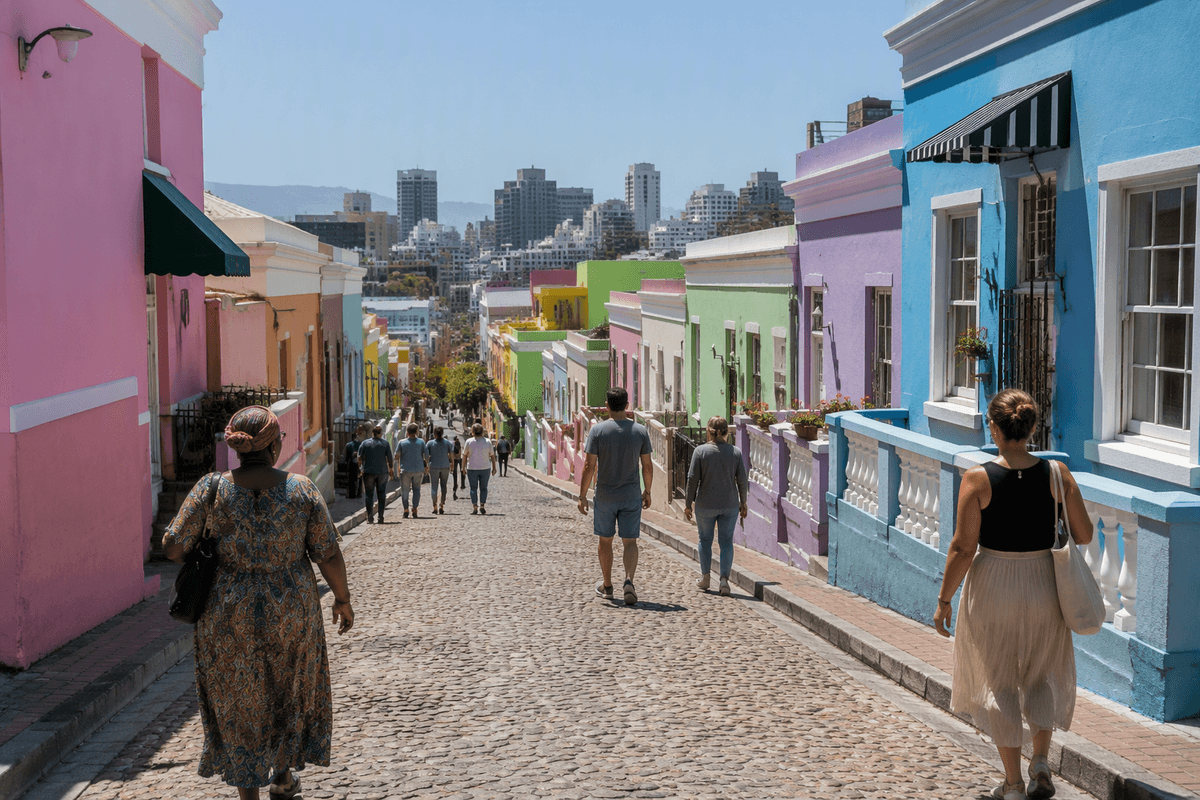
Day 1 in Cape Town is usually jet-lag math: if your package lands mid-afternoon, don’t overpromise Table Mountain—clouds and wind can shut the cableway, and queues eat your only good light. I treated V&A Waterfront as the “no-regrets” fallback: easy dinner, safe stroll, minimal logistics.
On Day 2, I’d prioritise one anchor (Table Mountain or a city + Bo-Kaap + Company’s Garden loop) and protect free time. Some tours cram in Camps Bay and Signal Hill too, but that’s where you start paying in fatigue—and end up skipping the museum or beach time you actually wanted.
Day 3: Peninsula and coastal highlights
The Cape Peninsula deserves a full day because the appeal comes from the journey as much as the individual attractions. Leaving early gives the route more flexibility and reduces the pressure created by traffic, tour schedules, and limited daylight. Cape Point and the Cape of Good Hope should be treated as the main anchors. Boulders Beach adds a very different experience with its African penguin colony, making the two stops feel complementary rather than repetitive. The Cape Point funicular is convenient, but walking may be preferable for travelers who want to save the extra fee and have enough time.
Chapman’s Peak Drive is another highlight when road and weather conditions allow. Strong wind or maintenance closures can change the route, so the itinerary should not depend entirely on that one stretch of road. Kalk Bay makes a good optional stop for lunch or a short wander. The mistake is allowing every coastal town to become mandatory. Pick two or three meaningful stops, then leave enough time for the road itself. That approach keeps the peninsula day scenic rather than turning it into a race against the return transfer.
Days 4–5: Garden Route coastal towns

Day 4 is where the “Garden Route” label can hide a long-haul transfer. Many packages do Cape Town to Knysna/Plettenberg Bay in one push—scenic, yes, but it’s still an all-day drive with photo stops that can feel like timer-based tourism.
Day 5 works best when the town choice matches your pace: Knysna lagoon viewpoints are low-effort, while Robberg in Plett is high-reward but time- and energy-hungry. Watch for add-ons (boat cruise, Tsitsikamma entry) that aren’t expensive individually, but add up fast for families.
Days 6–7: Safari leg and wildlife stays
The safari portion deserves careful comparison because two packages can advertise almost identical wildlife experiences while delivering very different schedules. Flying from the Garden Route or Cape Town toward a safari gateway can save hours of road travel, although domestic flights add another booking and baggage constraint.
Two nights should ideally mean several opportunities for game drives rather than one rushed outing. Early-morning and late-afternoon drives are common because wildlife activity is often better around those periods. That schedule also means accommodation location matters. A lodge inside or close to the reserve may offer more time in the field than a cheaper hotel requiring repeated transfers.
Check exactly what the safari price covers. Conservation or park fees, meals, drinks, transfers, guided drives, and gratuities may be treated differently between operators. Private reserves can offer smaller groups and more flexible drives, while national parks may provide a different experience at a lower cost.
For families, older travelers, or anyone sensitive to long transfers, the most valuable upgrade may simply be better logistics. One extra night in the right location can contribute more to the experience than adding another attraction to the itinerary.
Wrap-up: choosing the right package trade-offs
The final decision came down to what we’d regret more: one fewer safari night, or one fewer slow Cape Town evening. If your package gives you only one full day of game drives, upgrade to two nights in a strong reserve even if it trims the Garden Route—wildlife is the hardest thing to “make up” later.
Then audit the friction points: any itinerary that stacks an early flight after a late transfer day is asking for missed drives and cranky meals. For mid-range budgets from Kolkata, I’d pay extra for one internal flight if it replaces a 10–12 hour road day, but I’d be strict about what stays optional—funiculars, cruises, “special dinners”—so the total cost doesn’t drift past your comfort zone.