Delhi NCR 2026: why these places still matter
I hesitated over the usual “Top 10 Delhi” promises because Delhi NCR is less about ticking monuments and more about managing friction: traffic that can turn a simple cross-city hop into an hour, security queues that swell without warning, and weather (May heat, winter smog) that can shrink your outdoor window fast. In 2026, the places that still matter are the ones that deliver a clear payoff per minute—either a concentrated hit of history, a food lane that’s worth the crowd, or a modern district that’s easy to navigate.
For a first-timer with 3–4 days in Central Delhi, the Metro is your time-saver, but it doesn’t solve last-mile hassles or late-night gaps—so rideshares become the practical “upgrade” when you’re tired or chasing sunset. The goal isn’t variety for its own sake; it’s choosing clusters you can actually complete: one heavy-heritage day, one Old Delhi + food day (crowds included), and one lighter day trip where the commute doesn’t eat the experience.
How to choose your top 10 (time, vibe, budget)
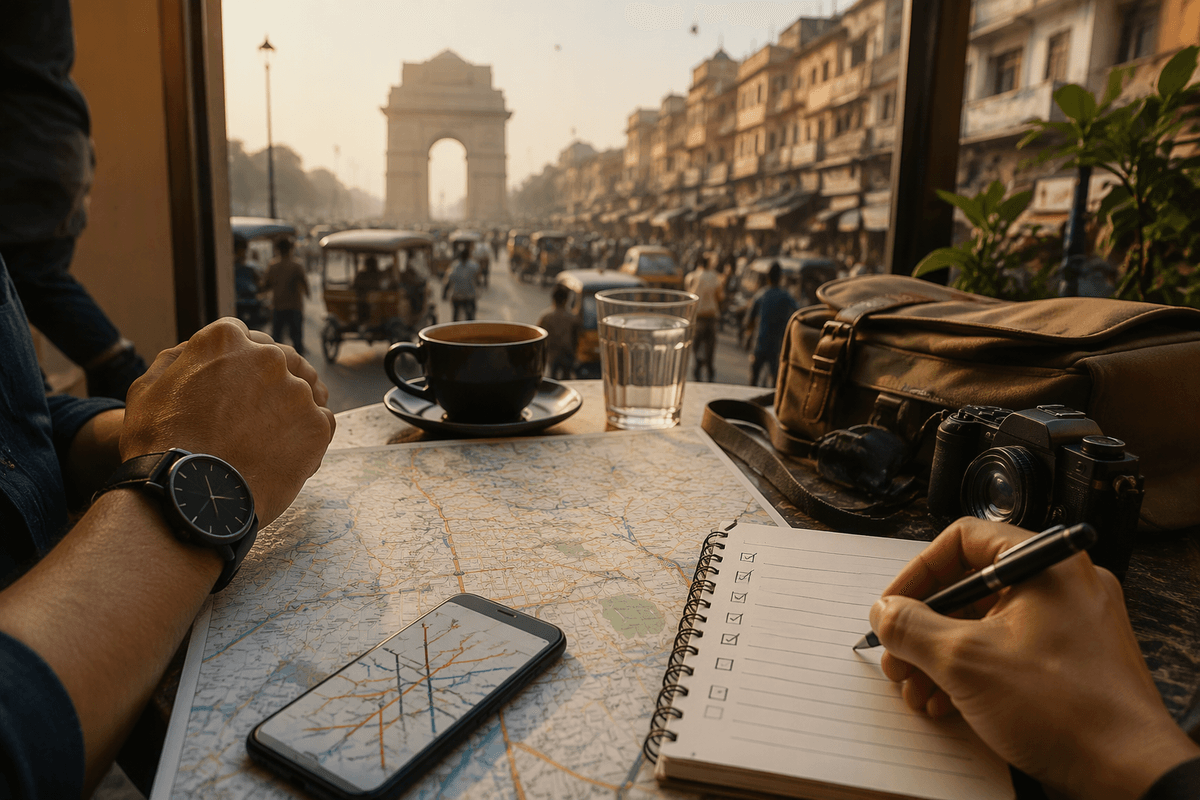
I caught myself trying to “balance” Delhi NCR on paper—heritage, markets, a museum, a day trip—until I remembered the real limiter: daylight plus stamina. Start by picking 2 non-negotiables (usually one major monument and one Old Delhi food lane), then cap yourself at one cross-NCR jump per day. Central Delhi to Old Delhi is straightforward by Metro, but Central Delhi to Noida/Gurugram can quietly burn 60–90 minutes each way once you add station walks, security lines, and last-mile rides.
Next, choose by vibe in blocks, not by individual attractions. If you like wide, walkable “capital city” spaces, stack Central Delhi boulevards + one museum on the same day and keep your evening flexible for a short rideshare dinner. If you want sensory overload—heritage lanes, bargaining, street food—commit to Old Delhi as a single, high-energy day and accept that crowds (and slow movement) are part of what you’re buying.
Budget-wise, assume your biggest variable cost is transport: Metro keeps days cheap, but a couple of well-timed rideshares (midday heat, post-sunset return, or when you’re done with transfers) can save an hour and protect your patience. Finally, put anything outdoor-first (big tombs, gardens, forts) in the morning; even “mild” months can turn sticky by noon, and the experience drops faster than the ticket price.
Central Delhi highlights: monuments, museums, boulevards
I hit the first security line of the day outside a Central Delhi monument and immediately revised the plan: if you start here after 10:30, you’re not just paying a ticket—you’re paying with momentum. For a first-timer, I’d anchor Central Delhi around one “big statement” (Humayun’s Tomb or Qutub Minar) and treat the other as optional, because doing both in a single day sounds efficient but often turns into heat + transit + queue math you can’t win.
Humayun’s Tomb works especially well early because the space is calm enough to actually notice the geometry, and it pairs neatly with a museum slot afterward when the sun gets pushy. Qutub Minar has a similar morning payoff, but it’s less forgiving if you arrive late: the complex can feel like you’re shuffling through a highlight reel with everyone else. Either way, Metro gets you close-ish, but you’ll still want a short rideshare for the last mile if you’re trying to protect time (and your patience).
For the “capital city” boulevard day, I like India Gate → Rajpath/Central Vista-style strolling as a low-effort reset, but it’s only satisfying when the air is decent and the temperature isn’t punishing—otherwise it becomes a walk you endure, not enjoy. Slide in a museum nearby (and be ready for closures or timed-entry quirks), then keep your evening flexible: Central Delhi dinners are where the day feels finished without committing to another long cross-city hop.
Old Delhi essentials: heritage lanes and iconic eats
The moment I stepped out near Chandni Chowk, my “quick two-hour Old Delhi loop” evaporated—everything moves slower here, not just because of crowds, but because you’re constantly deciding what to dodge: scooters threading gaps, queues at famous counters, and lanes that narrow without warning. If you only have 3–4 days total, treat Old Delhi as a single, high-energy block (late morning into early evening) rather than something you “pop into” between Central Delhi sights; it’s too friction-heavy to squeeze.
For heritage, I’d choose one anchor you’ll actually enter (Red Fort or Jama Masjid), then let the lanes do the rest. Jama Masjid gives you a big visual payoff fast, but the climb and shoe/footwear logistics can feel annoying when it’s hot or you’re already carrying a water bottle and camera. Red Fort is more structured and easier to pace, but the time cost is real once you add ticketing and security—so it only makes sense if you’re not also trying to “do” three food stops and a market walk.
Food is the point, but strategy matters: pick 2–3 iconic bites, not seven, and plan for one sit-down break so the day doesn’t collapse into sweaty snacking. The lanes around Chandni Chowk are most rewarding when you accept the messiness—yet the same chaos makes hygiene and comfort harder to control, especially in peak heat or during festival-level crowds. Metro is the cleanest in-and-out move; save a rideshare for the exit when you’re tired, because finding a pickup spot inside the lanes can become its own mini-quest.
Gurugram & Noida standouts: modern, family, nightlife
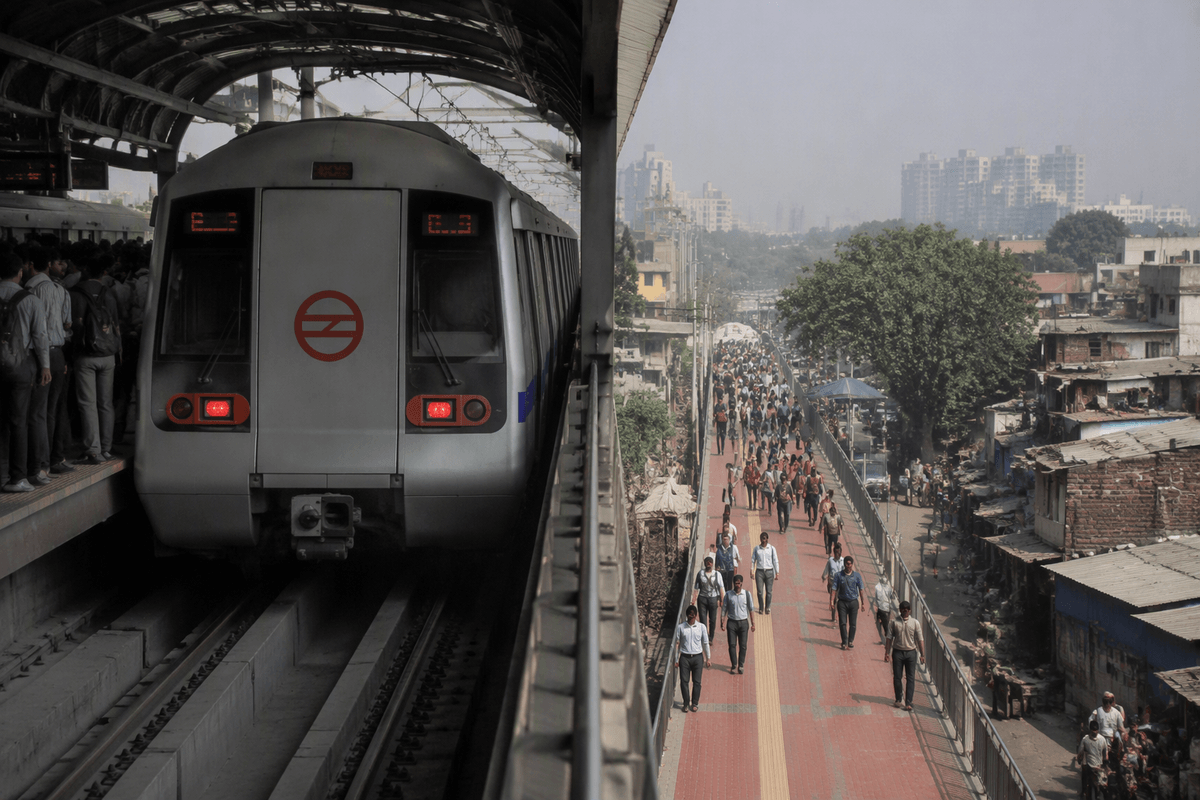
I nearly skipped Gurugram and Noida because they look “interchangeable” on a map, but the real question is whether you want a modern, low-planning half-day after two dense heritage days. From Central Delhi, both can be deceptively time-expensive: the Metro gets you there reliably, yet the last-mile walkability isn’t consistent, and you’ll feel every extra transfer if you go during peak office hours. If you’re heat-worn or smoggy-season cautious, these districts can actually work better than another outdoor monument because you can spend more time indoors without it feeling like a compromise.
For Gurugram, I’d treat CyberHub as the cleanest “one-stop” for a first-timer evening—easy restaurants, a predictable layout, and fewer Old Delhi-style variables—but it can read a bit corporate if you came for texture. It’s most worth it when you go late enough to dodge commute pressure and you’re okay paying a little more for convenience (and air-conditioning) rather than chasing a perfect meal.
Noida is the better family-leaning day trip if you want something structured: DLF Mall of India for shopping/food in one place, or Worlds of Wonder if you’re traveling with kids and can spare the time. The limitation is that a Noida outing can swallow half a day once you account for door-to-door travel, so it’s a “choose one and commit” slot—don’t try to stack it with a Central Delhi museum unless you enjoy watching the clock.
Wrap-up: your ideal Delhi NCR top 10 mix
On my last night, the only thing I regretted was pretending Delhi NCR could be “evenly sampled” in 3–4 days. It can’t—unless you’re willing to trade away calm mornings, or spend your best hours in transit. A realistic top 10 is less a ranking than a mix you can actually execute from Central Delhi without your schedule turning into a commute diary.
If you want the cleanest payoff, lock in one major Central Delhi monument, one boulevard + museum-style reset, and one full Old Delhi day with just 2–3 food stops you’ll remember. Then pick either Gurugram or Noida as your modern add-on, timed for an easier indoor-heavy stretch when heat/smog or fatigue makes “one more outdoor sight” feel like work. The decision cue: if you’re checking maps more than you’re looking up, cut one cross-NCR jump and reclaim the day.