What the Four Seasons Yacht promises—and what surprises
The first friction point for me was the gap between the promise (“a Four Seasons hotel, on water”) and the reality that you’re still committing to a fixed route, fixed port windows, and a shared atmosphere you don’t fully control. If your reference point is a private charter, the constraint is obvious: you’re buying consistency and polish, not total autonomy.
What Four Seasons tends to get right—and what this yacht is clearly aiming to scale—is the predictable ease: service that anticipates needs, spaces that feel intentionally designed rather than “ship-efficient,” and a pace that’s closer to a resort than a floating city. The surprise for first-timers is that the premium isn’t just nicer finishes; it’s fewer daily frictions. But that only matters if you value quiet efficiency more than variety and spectacle.
Budget-wise, the biggest shock isn’t the base fare—it’s how quickly “included” can blur at the edges (premium wines, certain experiences, private guides, last-minute schedule pivots). If you hate surprises, decide early whether you’re paying for simplicity (pre-planned ease) or for control (tailored add-ons), because trying to do both gets expensive fast.
Routes, seasonality, and choosing your ideal sailing
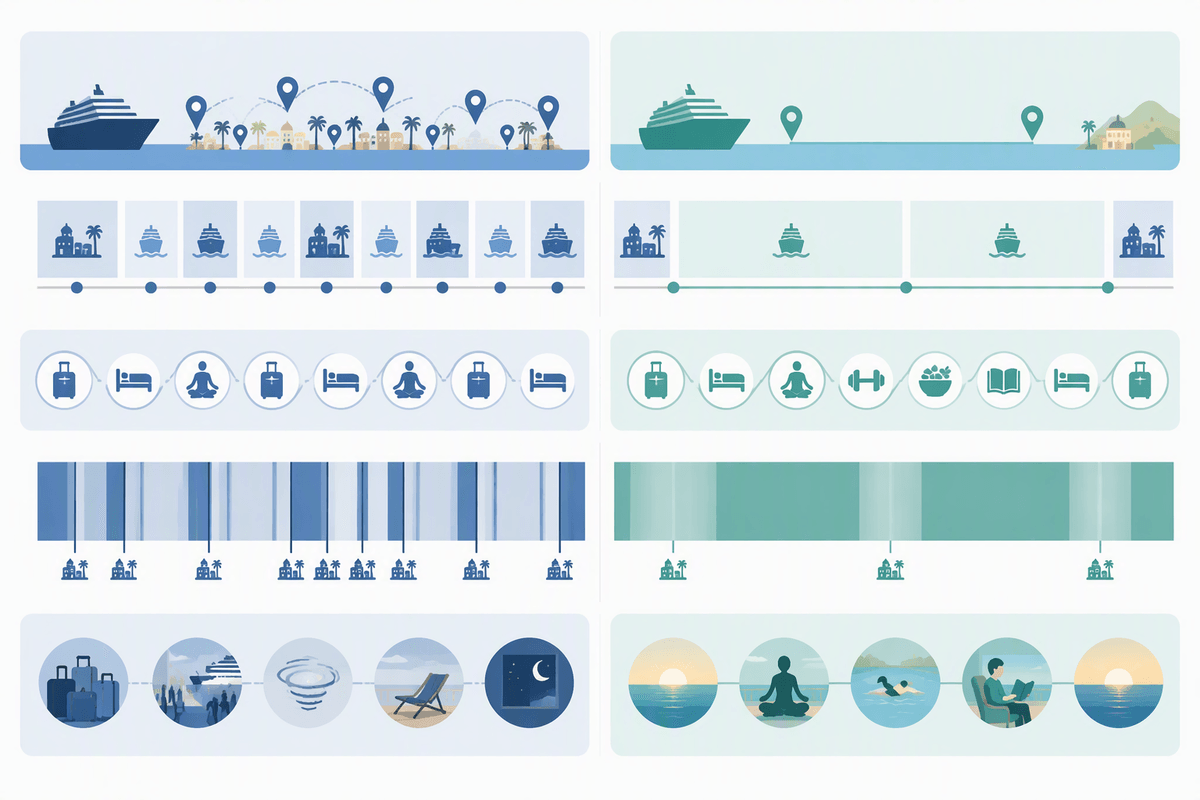
I caught myself defaulting to “best itinerary = most famous ports,” and that’s where the planning goes sideways. With an ultra-premium yacht, the route isn’t just geography—it dictates your onboard rhythm: how many true sea days you get, how rushed embark/disembark feels, and whether you’ll actually use the wellness and dining cadence you’re paying for. If your calendar is tight, prioritize sailings with fewer port swaps and longer calls; the glamorous, port-heavy weeks can look efficient on paper but start to feel like constant resets (packing day bags, tender timings, late dinners).
Seasonality is the quiet decision-maker. Peak summer Med-style routes tend to amplify heat, crowds, and tender dependence—great for energy, worse for spontaneity if you dislike waiting. Shoulder season is usually the sweet spot for couples or solo travelers who want the “Four Seasons calm” to actually register, but it comes with a real constraint: weather can push plans around, and a windy day can turn “casual stroll ashore” into “we’ll stay onboard and enjoy the ship.”
My framework is simple: pick the sailing based on your tolerance for friction. If you love exploring, choose destination-forward weeks and budget extra for private guides to protect your time. If you’re here for restoration, choose itineraries with more sea time and fewer early mornings—because the yacht will still be excellent in port, but it’s at sea where the premium feels hardest to replicate elsewhere.
Suites, pricing, and what’s truly included
Choosing a suite category is where I felt the first real “spreadsheet temptation”: it’s easy to justify jumping up a level because everything is already expensive, and the incremental jump can look small compared to the total. But space isn’t the only variable—layout matters more than square footage if you actually plan to be in the room. If you’re out from breakfast until late afternoon, a perfectly appointed mid-tier suite can feel identical to a larger one; if you’re the kind of traveler who needs a quiet reset between port and dinner, the extra separation (sleeping vs lounging) suddenly earns its keep.
Pricing is also less “room rate” and more “package logic.” You’re paying for the Four Seasons-style operating model—staffing, service ratios, and a lower-density environment—so compare it to a high-end small ship with heavy inclusions rather than a mainstream luxury cruise. The constraint: some line items that people assume are bundled (top-shelf wines and spirits, special tastings, private cars/guides, certain signature experiences) tend to sit outside the base fare, and that’s where budgets drift if you decide day-by-day.
My decision rule: before you pick a suite, decide how you’ll spend your “extras.” If you’d rather protect time ashore, allocate money to private guiding and transfers and stay one category lower. If your goal is onboard restoration, pay for the suite you’ll actually use—and treat add-ons as optional, not automatic, so the premium stays intentional instead of quietly compounding.
Onboard life: dining, wellness, service, and vibe
The moment onboard life clicked for me was the first “easy” dinner—when I realized the real luxury wasn’t the menu, it was the absence of micro-decisions. That said, dining can also be where the premium feels most negotiable: if you’re the kind of traveler who wants unlimited spontaneity at peak times, you’ll still run into capacity reality. Popular venues and prime reservation slots won’t magically stretch, and a late port return can compress your evening into a quick shower-and-go rather than the leisurely pacing you imagined.
I’d think of the food program as “hotel-caliber consistency” more than “once-in-a-lifetime experimentation.” It’s excellent when you want reliability after a long day ashore; it’s less compelling if your benchmark is a destination restaurant crawl. The practical choice is whether you want to pre-commit (reservations and a loose nightly plan) or keep it fluid; the latter works best on sailings with more sea days, when you’re not fighting tender schedules and excursion fatigue.
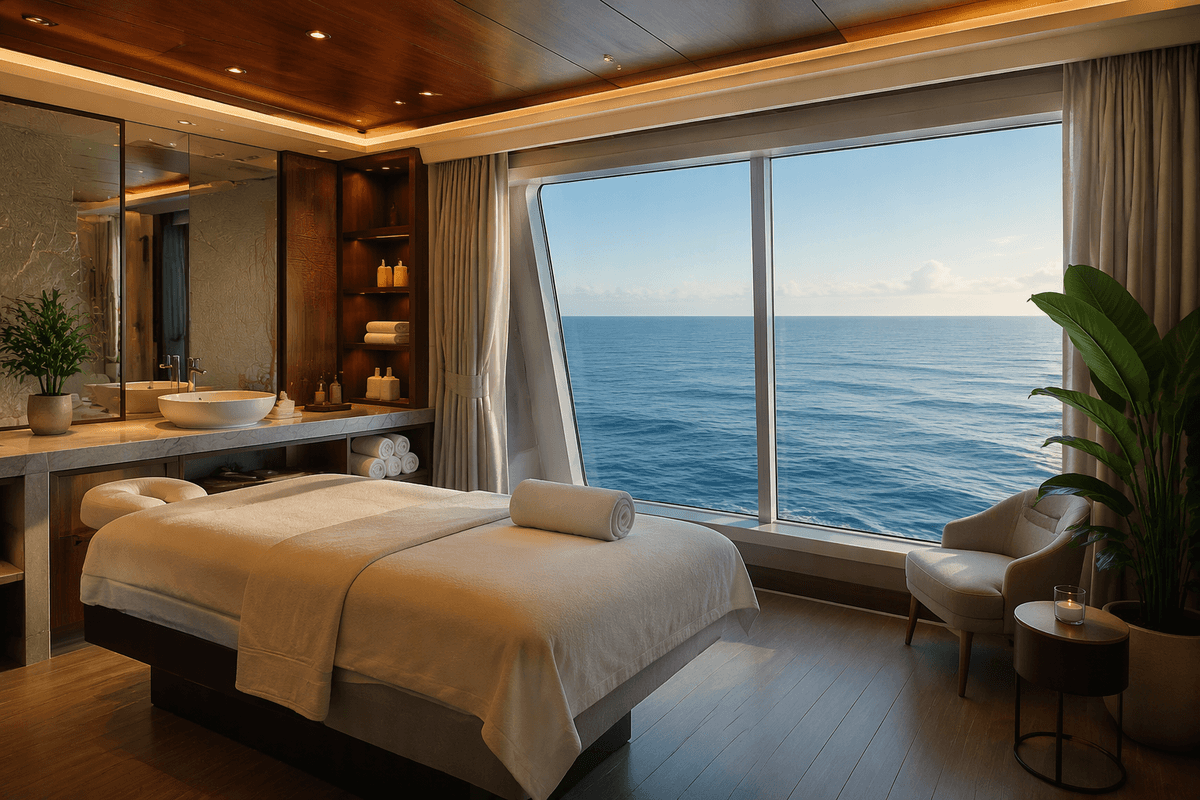
Wellness is where the ship can justify itself—if you actually use it. Morning treatments or training sessions feel restorative on sea days, but they’re easy to skip on port-heavy itineraries when you’re rushing breakfast to make a tour pickup. Service, meanwhile, is the Four Seasons signature: polished, fast, and discreet. The only catch is that “being taken care of” can nudge you into more add-ons (special tastings, upgraded bottles, extra sessions) unless you decide upfront what you’re genuinely here to prioritize.
Ports and excursions: maximizing time ashore
My first real test of “is this worth it?” happened at a tender port, watching the clock bleed while everyone tried to leave at once. Yacht-sized doesn’t automatically mean instant access—weather, swell, and local port rules can still dictate the pace—so the goal is to protect your limited ashore hours the same way you’d protect a tight dinner reservation in a new city.
I’d plan ports around a simple fork: do you want certainty or discovery? If you hate logistical surprises, the ship-run excursions (and especially anything with early entry or timed tickets) can be the cleanest way to avoid bottlenecks, but you give up flexibility and sometimes linger longer than you’d choose. If you care more about control, book a private guide/car for “one-anchor” days—those calls where you only have a half-day window and the wrong traffic pattern (or a slow tender cycle) can turn a highlight into a rushed photo stop.
The practical move is to pick one priority per port and treat everything else as optional. Over-scheduling is the common failure mode: you’ll get back onboard tired, miss the wellness/dinner rhythm you’re paying for, and still feel like you didn’t see enough. When time is tight, I’d rather do one excellent, well-timed experience than three mediocre ones glued together by transfers.
Booking strategy and who this yacht fits best
The only time I felt real booking anxiety was at the “extras” screen—because this is where an ultra-premium fare can quietly turn into a private-jet-level total if you click impulsively. My cleanest strategy is to lock three decisions in order: itinerary first (because port windows dictate your days), suite second (based on how much in-room reset you realistically need), and then a hard cap for add-ons. If you’re time-poor, pre-booking a couple of high-friction items—private transfers in tricky ports, one or two private guides on short calls—usually returns more value than upgrading drinks across the week.
Logistics is where people overpay without noticing. Don’t book tight same-day flights unless you’re comfortable gambling on weather, tender delays, and slow disembark; a hotel buffer can feel wasteful until it saves your last day from becoming a sprint. Also read the cancellation and change terms like you would for a safari or villa, not a typical cruise—this product is closer to “limited inventory hospitality” than “mass-market sailing,” and flexibility often costs extra.
Who it fits best: couples or solo travelers who value calm efficiency, consistent service, and a low-friction social scene more than nightlife, mega-entertainment, or a packed schedule. If your favorite travel stories involve improvising plans daily, or if you measure value in “how many places did we hit,” a great luxury cruise—or a short private charter where you control the clock—may simply align better.