Why colorectal cancer can stay quiet early
It can start with something you write off as “just getting older”: a little more time in the bathroom, stools that seem thinner for a week, or a low-grade belly heaviness that comes and goes. Because those shifts don’t always hurt, they’re easy to blend into a busy routine—especially if they settle down for a few days and then return. Early changes may be subtle precisely because the first problem spots can be small and slow-growing, not yet interfering much with how the bowel works.
That quiet stretch is part of what makes patterns hard to read. A small growth can take up space gradually, and minor bleeding can be so light it only shows up as faint streaks or as fatigue from low iron rather than obvious blood in the bowl. It’s also inconsistent: diet changes, travel, stress, and new medications can mimic the same signs, so people often wait for a “clearer” signal that may not arrive.
Bowel habit changes that deserve a second look
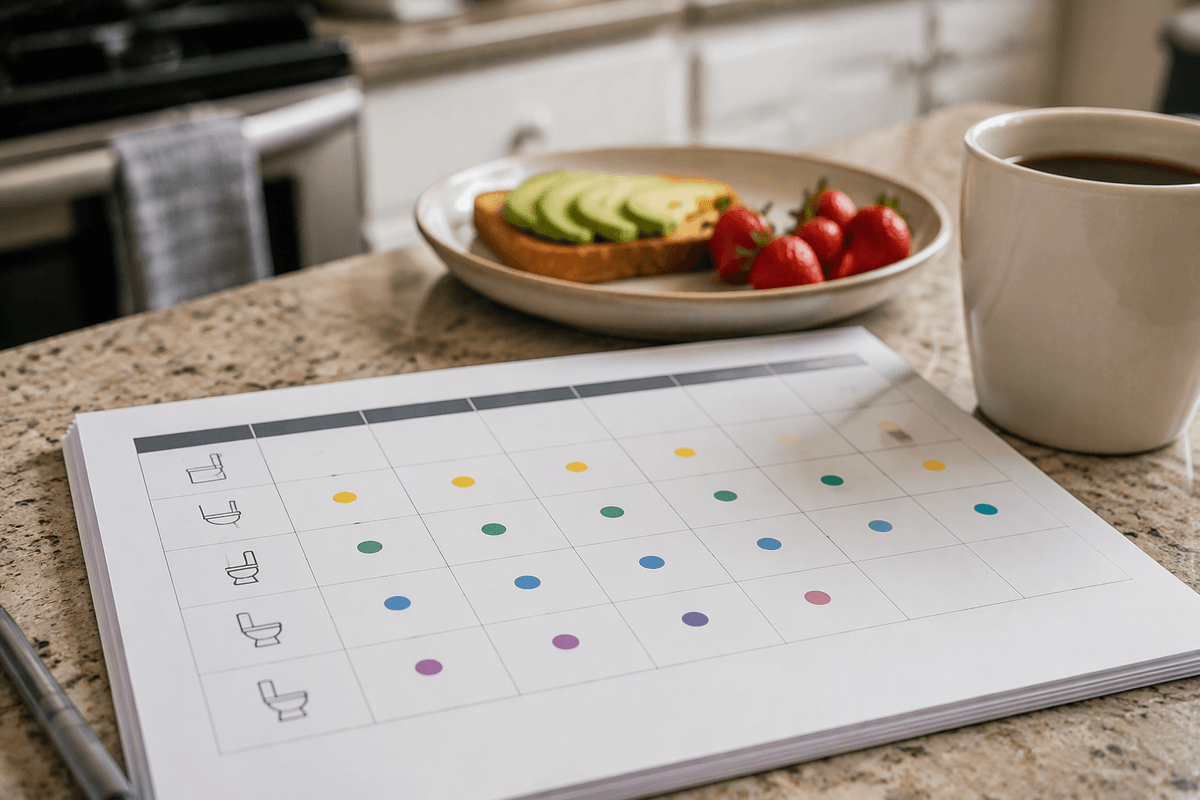
It often shows up as a small scheduling problem first: you start mapping your day around bathrooms you trust, or you notice you’re still “not quite done” even after you’ve gone. Some people describe a new stop-and-start rhythm—constipation that doesn’t match their usual pattern, looser stools that linger, or a back-and-forth swing that keeps repeating. Because it’s easy to blame a new breakfast, a weekend of takeout, or a stressful stretch, the change can feel too ordinary to mention.
What tends to stand out is persistence and drift. If a different stool shape or caliber keeps returning, if urgency shows up without a clear trigger, or if cramping and bloating start tagging along more days than not, it may be worth treating it as a real data point rather than “normal fluctuation.” The symptoms can ease for a week, then reappear—so people wait for something dramatic, when the more useful clue is the pattern that won’t fully reset.
Bleeding and anemia often mistaken for hemorrhoids
It may start as a quick glance before you flush: a thin red streak on the stool, a pink smudge on toilet paper, or a little blood you only notice when you’re rushing. Because hemorrhoids are common—and because straining, long sits, and even a bad constipation week can irritate them—people often file the whole thing under “annoying, but familiar.” The problem is that bleeding isn’t always loud. It can be intermittent, show up only on certain days, or look darker when it’s been in the bowel longer, which makes it easier to misread.
Sometimes the bigger clue isn’t the blood at all—it’s how you feel. Low iron can creep in quietly, and what you notice is needing more naps, getting winded on stairs, feeling “off” at the gym, or brushing off a foggy week as poor sleep. That overlap creates uncertainty: the bathroom symptom seems minor, the fatigue seems unrelated. If both keep circling back together, it can be worth treating them as connected, not coincidental.
Risk builds from age, genes, and inflammation
The moment you mention blood or fatigue, a lot of people quickly search their memory for a “cause” they can control—something they ate, a stressful week, a new supplement—because it feels better than admitting you don’t know. But risk doesn’t always come from one dramatic factor. For many adults, it’s the slow stacking: getting older, then adding a family history you haven’t asked about in years, plus a body that’s been dealing with irritation in the gut on and off.
Age matters largely because there’s simply been more time for small growths to form and change. Genetics can matter even when you feel fine: a parent or sibling with colorectal cancer or certain polyps can shift what “average risk” means, especially if it happened younger. Long-term inflammation—like ongoing inflammatory bowel disease, or years of frequent flare-ups that never quite settle—can add its own background noise. These risk-builders don’t create a specific sensation, so people underestimate them until a pattern forces the issue.
Lifestyle patterns that nudge risk up or down
It can feel like the “healthy enough” routines are doing their job—until you notice how often dinner ends up being processed, how many days you sit longer than you move, and how a couple drinks quietly becomes the default way to unwind. None of those choices usually causes an immediate bathroom change you can point to. People expect a clear cause-and-effect, but risk tends to shift with patterns that repeat for years, not with a single heavy meal or a stressful week.
Over time, certain combinations seem to matter more than any one habit alone: low-fiber eating that keeps stools small and slow, frequent red or processed meats, regular alcohol, smoking, and long stretches of inactivity that leave weight creeping upward. On the flip side, diets that lean more plant-forward, movement that’s consistent (even if modest), and keeping alcohol from becoming “background” habits can nudge the baseline the other way. Still, symptoms don’t always match the lifestyle story, which is why persistent changes deserve attention even in people who “do everything right.”
Screening choices and the trade-offs people weigh

It can feel strangely complicated the moment you actually try to “do the right thing.” You may notice a reminder about turning 45, then remember the blood you saw two weeks ago, then talk yourself down because it hasn’t happened every day. Screening gets lumped into the same mental bucket as dental cleanings—something responsible people schedule—until you realize it comes with real trade-offs: time off work, prep that can be uncomfortable, worry about what might be found, and the awkwardness of explaining why you need the appointment in the first place.
That’s where the choice can stall. Some people like the simplicity of a stool-based test they can do at home, especially if their symptoms are mild or inconsistent; others prefer the one-and-done feeling of a colonoscopy because it can both look and remove certain growths during the same visit. But “easier” isn’t always emotionally easier—waiting for results can stretch out anxiety, and a normal test doesn’t always settle questions if fatigue, bleeding, or bowel changes keep circling back. Often the real decision is whether the pattern has earned a closer look, even if the calendar is already full.
When prevention efforts create unexpected confusion
It sometimes gets strange right after you try to be proactive. You add a fiber supplement, swap to “cleaner” meals, start iron for fatigue, or take a new medication—and then your stool looks different. Maybe it’s darker, looser, or suddenly more bulky. The mistake is assuming that any change means the problem is fixed (or caused) by the new habit, when the timing can overlap in messy ways. People also underestimate how easily prep, probiotics, or even over-the-counter pain relievers can shift bowel patterns or irritate the gut.
Prevention can also create a false sense of closure. A normal at-home test can feel like a green light to ignore ongoing bleeding or a new stop-and-start pattern, while a “probably hemorrhoids” label can keep you from noticing that fatigue keeps returning too. When efforts to improve things keep generating new variables, the most useful anchor is still the same: what keeps persisting, even when the routine changes.