Why San Sebastián feels unexpectedly different
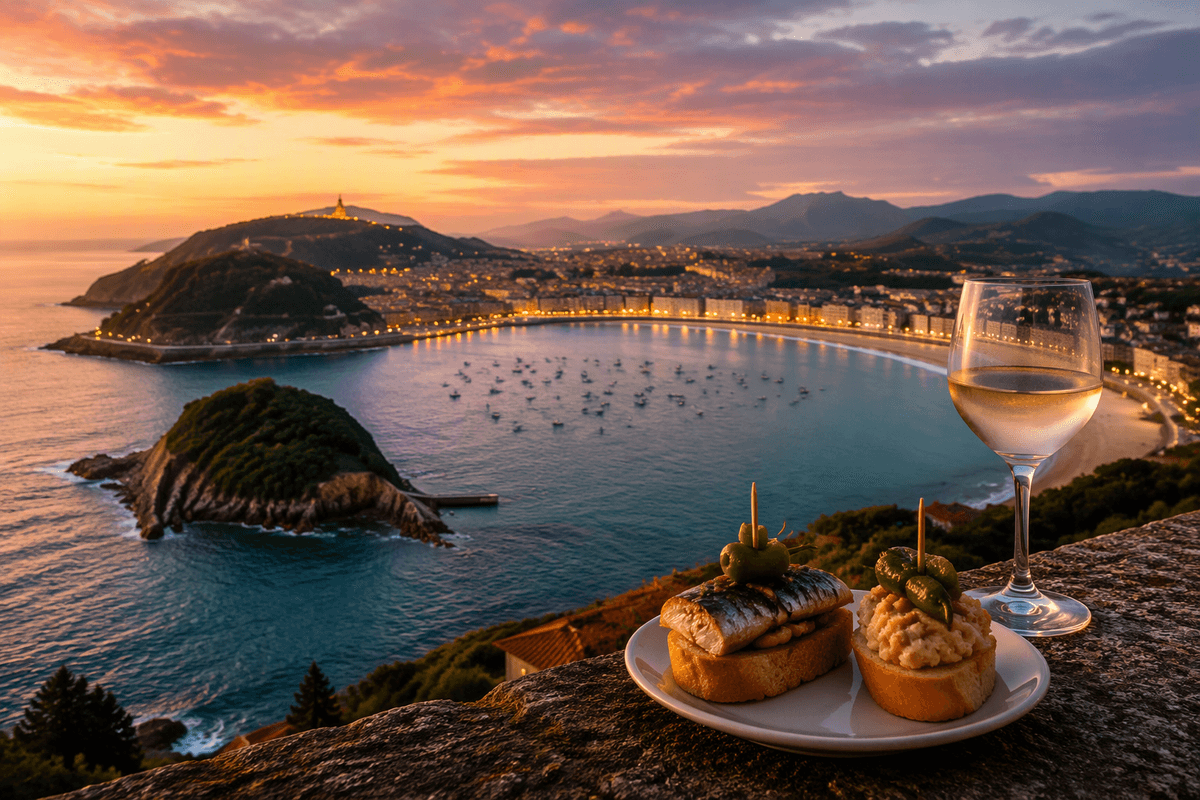
I nearly overplanned San Sebastián because it photographs like a finished product—perfect bay, perfect pintxos, perfect old streets—and that’s exactly where first trips can go sideways. The city runs on tight timing: bars peak hard around meal hours, reservations snap up earlier than you’d expect for a beach town, and a “quick” pintxos crawl becomes a two-hour commitment once you factor in queues and slow service.
What feels different in person is how compressed everything is: you can bounce from surfy Gros to Old Town to a viewpoint walk without ever needing a taxi, but that convenience tempts you into doing too much per day. It’s also pricier than most Spanish coastal stops, so the “one Michelin meal” decision matters more—especially when you realize the best bites often cost less than a glass of wine in a white-tablecloth room.
Pick your vibe: Old Town, Gros, or Centro
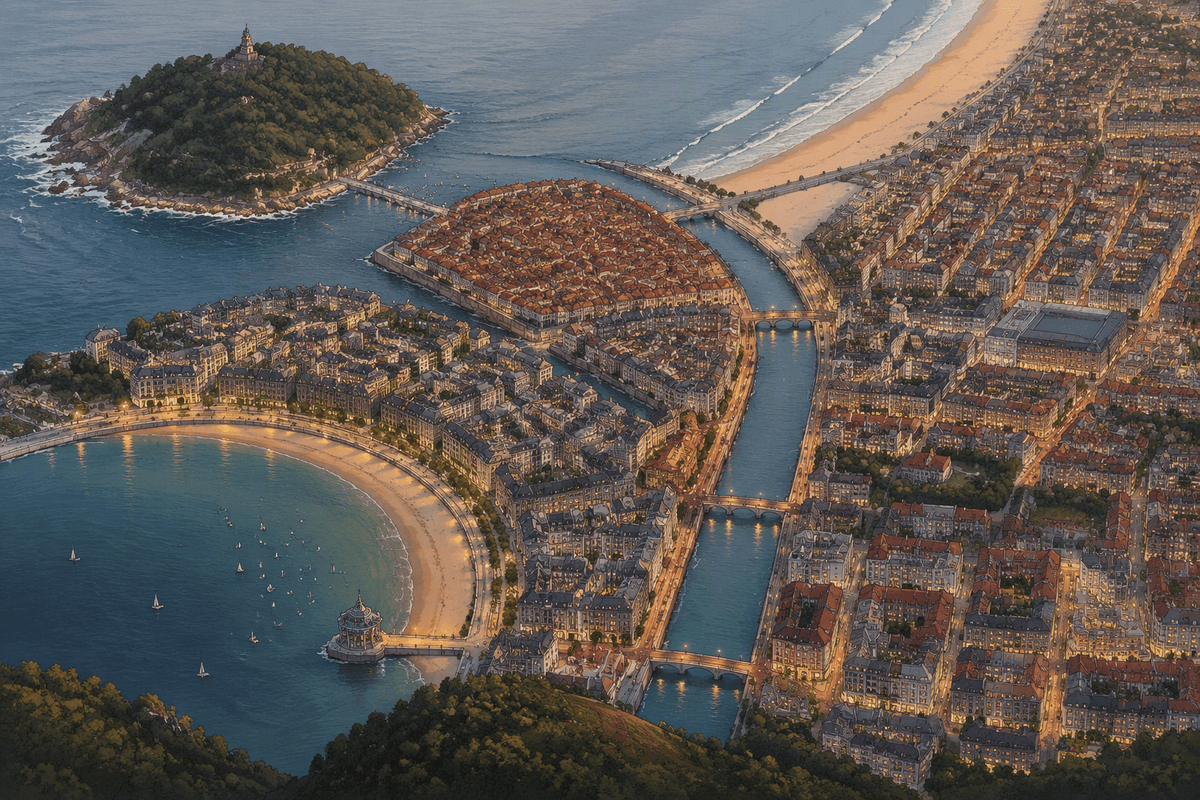
I hesitated most over where to sleep, because in San Sebastián the “wrong” base doesn’t ruin the trip—it just quietly taxes you every night: extra noise, extra bridges, extra temptation to overdo it. The three areas that matter for a first-timer are close enough to mix daily, but different enough that your mornings (and your pintxos stamina) change.
Old Town (Parte Vieja) is the highest-reward, highest-friction option: you’re steps from the densest pintxos corridor, which is perfect if food is the whole point, but it’s also where late-night spillover and weekend crowds make sleep feel negotiable. I’d stay here if you’re the type who wants to drop a jacket at 8:30, do two bars, reset, then go back out—otherwise it can feel like living inside the queue.
Gros is calmer and a little scruffier in a good way—surf shops, younger energy, and quicker access to Zurriola Beach—yet you’ll cross the river for Old Town almost daily, which adds a mental “are we going back out?” hurdle after dinner. Centro splits the difference: prettier for a morning walk along La Concha and easiest for a tidy hotel, but you trade away that spontaneous bar-hopping feeling unless you commit to heading out on purpose.
Eat the city: pintxos, markets, Michelin splurges
The first time I tried to “do pintxos properly,” I made the classic mistake: I walked into Parte Vieja at 9:15 pm and assumed I’d drift bar to bar like a tapas movie montage. It worked for exactly one stop—then the sidewalks thickened, the good counters were three-deep, and suddenly every “quick bite” required a full reset of patience. If you’re time-crunched, go earlier (around 7:30–8:15) for your first two bars, then let the night get busier on your terms instead of forcing you into the longest lines.
My pacing rule that actually held up: pick 3–4 bars, one pintxo each, one drink shared every other stop, and move on the moment you’ve eaten—lingering is what turns a crawl into a stalled-out evening. The limitation is that the most famous spots are famous for a reason, but the queue cost is real; I’d rather take a “B+” bite immediately than burn 35 minutes for an “A” when you only have three nights.
For daylight eating, the market is the most efficient reset: you see what’s in season, you can buy something small without committing to a full sit-down, and it’s kinder on your budget than stacking rounds of txakoli. Michelin is the opposite experience—worth it if you want one controlled, reservation-driven meal where everything lands on time—but it’s a high-stakes use of an evening, and a rainy day lunch often makes more sense than sacrificing prime pintxos hours.
Move like a local: beaches, walks, viewpoints
The morning I finally stopped “saving” the beach for later, San Sebastián clicked: I walked the full curve of La Concha before breakfast, and it felt almost private compared to what it becomes by midday. If you’re juggling pintxos nights with beach time, treat the bay walk as a low-effort anchor—early works best, and not just for photos. By late morning the promenade gets slow with strollers and tour groups, and what should be a 25-minute reset turns into a stop-start shuffle.
Beach choice is less about prettiness (they’re all good) and more about how you want your day to behave. La Concha is the calm, postcard swim, but it can feel “managed” in summer and you’ll pay for that convenience in crowds. Zurriola in Gros is where you go when you’d rather watch surfers and accept a messier shoreline; it’s breezier, louder, and better when you want movement instead of lounging. The catch: wind and chop can make a casual swim feel like work, so it’s not the automatic Plan B.
For viewpoints, I’d pick one climb and protect your legs for the rest of the trip. Monte Igueldo delivers the classic bay view with less hiking commitment, while Monte Urgull is more of a slow burn—shadier, more steps, more “we’re doing this now.” Both are easiest late afternoon when the light improves, but don’t underestimate how quickly a drizzle turns stone paths slick; if the weather looks unsure, swap the climb for a flatter loop along the river and keep the big view for a clearer day.
Beyond the postcard: surf, sidrerías, culture nights
On the one morning I tried to “fit in” a surf lesson before a long lunch, the city pushed back: the wind picked up at Zurriola, the wetsuit dance took longer than advertised, and suddenly my perfectly timed pintxos plan was running on fumes. Surf here works best when you treat it as the main event for half a day, not a cute add-on between neighborhoods. If you’re genuinely curious, book a small-group lesson in Gros and go early; you’ll get calmer logistics and fewer bodies in the water. If you’re not, don’t force it—watching from the promenade with a coffee can be the smarter use of energy when you only have 3–4 days.
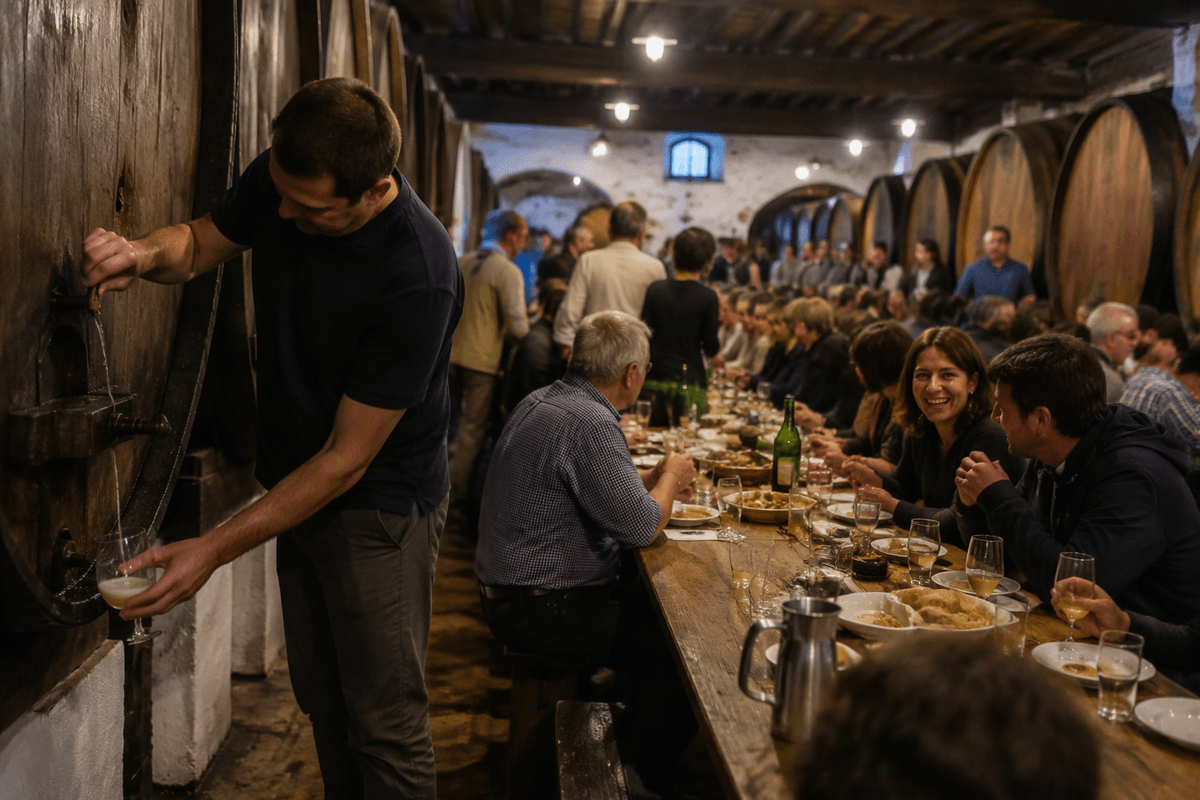
For sidrerías, the key constraint is distance plus appetite: most of the classic cider-house experience lives outside the center, and it’s built for groups who can commit to a set rhythm (cider pours, shared courses, long tables). It’s absolutely worth one evening if you’re traveling with at least one other person and you’re ready to eat on their schedule, not yours. If you’re solo or you’ve already planned a Michelin splurge, I’d keep it simpler and aim for a culture night instead—San Sebastián gets surprisingly “real” after dark when you’re sitting for something that isn’t just the next counter.
Cultural plans are also where booking ahead actually pays off: a ticketed concert, a theater night, even a low-key festival event gives your evenings shape when the Old Town crowds start feeling like a loop. The friction point is that these nights can collide with peak dining hours, so I’d either eat earlier than usual or commit to a lighter pintxos run after—otherwise you end up rushing both, which is the one way this city stops feeling effortless.
A not-ordinary finish: is it your next trip?
My last evening, I had to choose between one more “famous” bar and a quieter loop along the bay—and that’s basically the San Sebastián decision in miniature. If you love food but hate waiting, you’ll need to be slightly strategic (earlier starts, fewer stops), because the city’s best moments come with crowd pressure and higher prices than you expect from a beach break.
So is it your next trip? Yes, if you’ll commit to a 3–4 day pace: one planned splurge, one flexible day for weather, and enough downtime that the walking and late nights don’t blur together. If you need spontaneity at peak hours or you’re chasing “cheap and easy,” it can feel like paying extra to stand around—better saved for a calmer season or a longer stay.