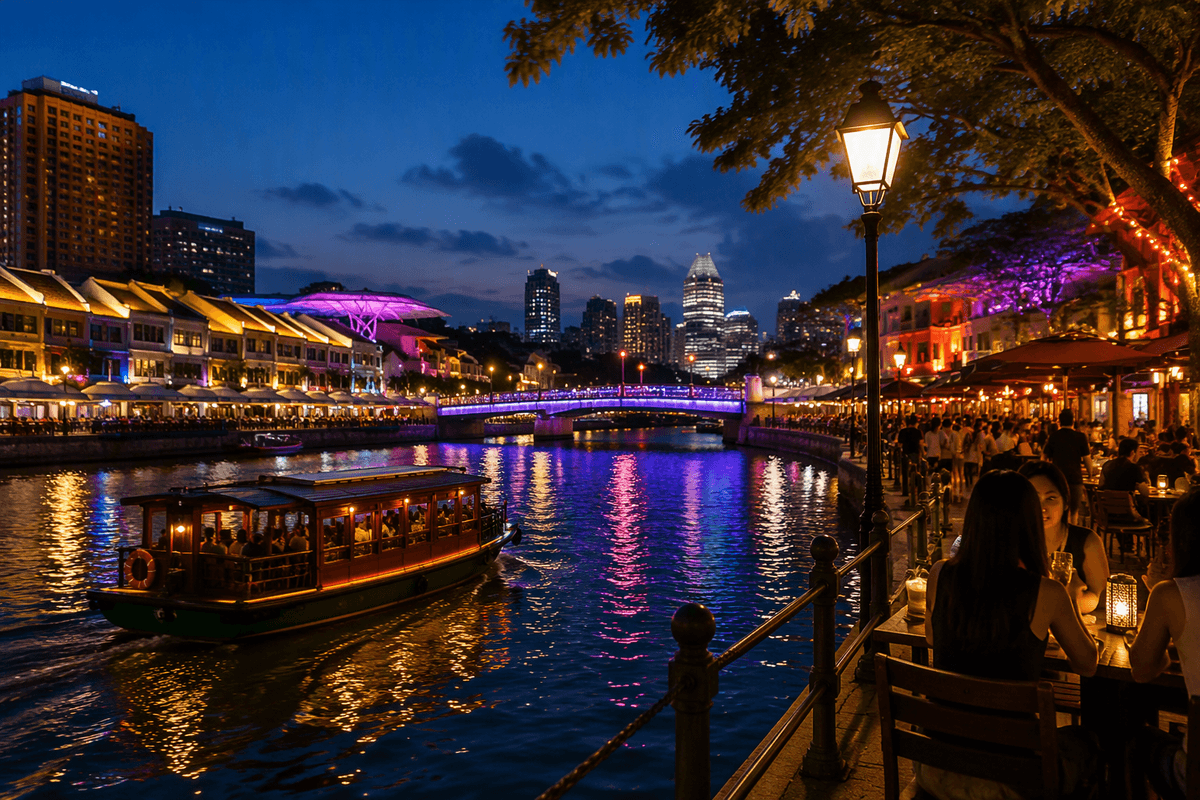
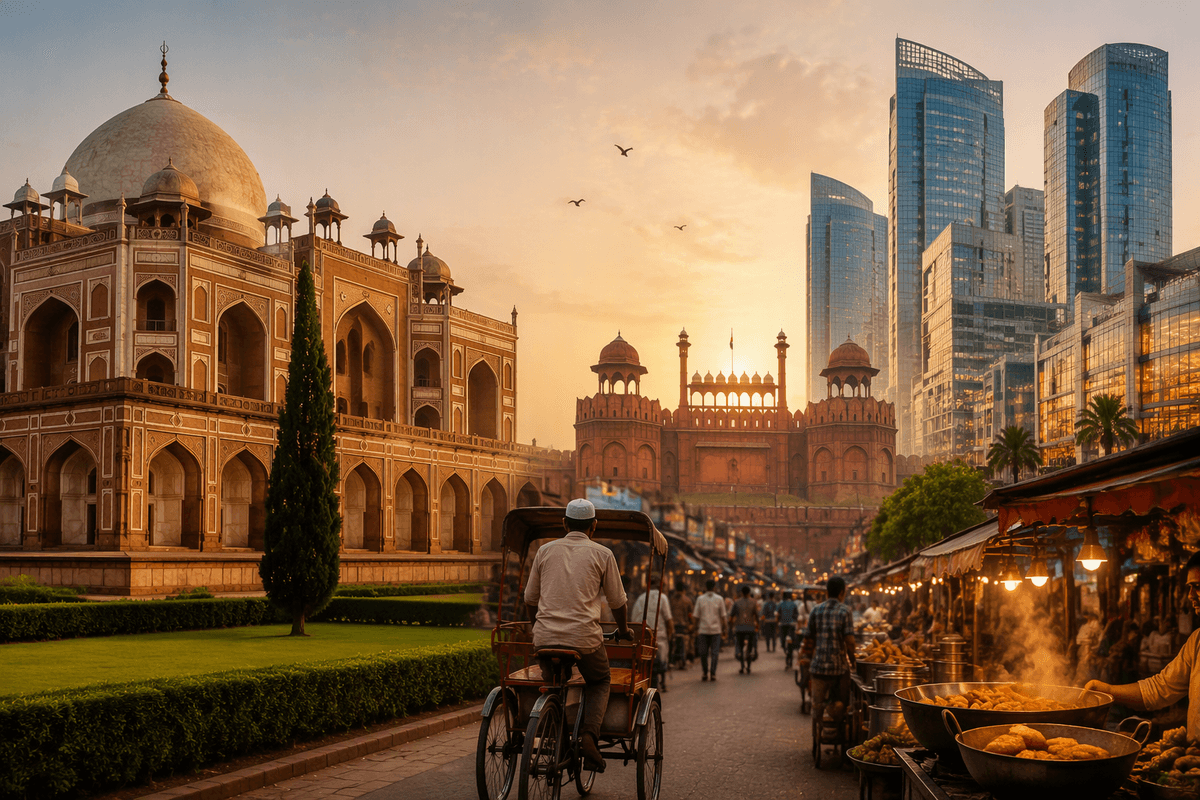
Thailand’s promise vs planning overload
I stared at a map of Thailand with twenty pins and realized the “easy” part—beaches, night markets, temples—was exactly what made planning feel impossible. Every extra island looks like a free upgrade until you price in the half-days lost to ferries, check-ins, and the weird fatigue that hits after your third “quick transfer.”
For a 10–14 day first trip, the win is choosing a lane early: one coast (Andaman or Gulf) plus one city base for food and culture. Mixing both coasts can work, but it usually demands at least one flight and a tighter schedule—fine if you like structure, rough if you want slow mornings and spontaneous detours.
My rule of thumb: pick fewer stops, stay longer, and let weather and energy be the deciding factors—not Instagram lists. You’ll see more by moving less, and you’ll spend less time paying “tourist convenience” prices for last-minute transport.
Choose your route: islands, cities, or both
The first real decision isn’t “which islands,” it’s whether you want your transfer days to be part of the trip or an inconvenience you’re constantly negotiating. If you’re landing in Bangkok and only have 10 days, forcing both coasts often turns into an itinerary that looks efficient on paper but feels like you’re always repacking. For most first-timers, one island cluster plus one city base is the sweet spot: you get beaches and culture without needing to treat every morning like an airport commute.
Season matters more than people admit because it changes what “easy” feels like. Roughly speaking, the Andaman side (Phuket/Krabi, plus day trips like Phi Phi) tends to line up best with drier winter months, while the Gulf side (Samui/Phangan/Tao) often behaves better when the Andaman is wetter. You can still go off-season, but you’re paying for flexibility—buffer days, backup plans, and the possibility that a boat ride you planned for becomes a “wait it out” afternoon.
If you want markets, temples, and a nightlife pulse without constant big-city friction, build around one city anchor—Bangkok for maximum choice and late-night eating, or Chiang Mai if you want a calmer pace and are okay spending time on a flight north. Then pair it with a single beach hub (Krabi or Phuket for Andaman convenience; Samui for Gulf convenience). When you add a second island, do it only if it shares the same ferry network; otherwise the “quick hop” usually costs more time—and energy—than it earns.
Island hopping made simple: where, when, how long
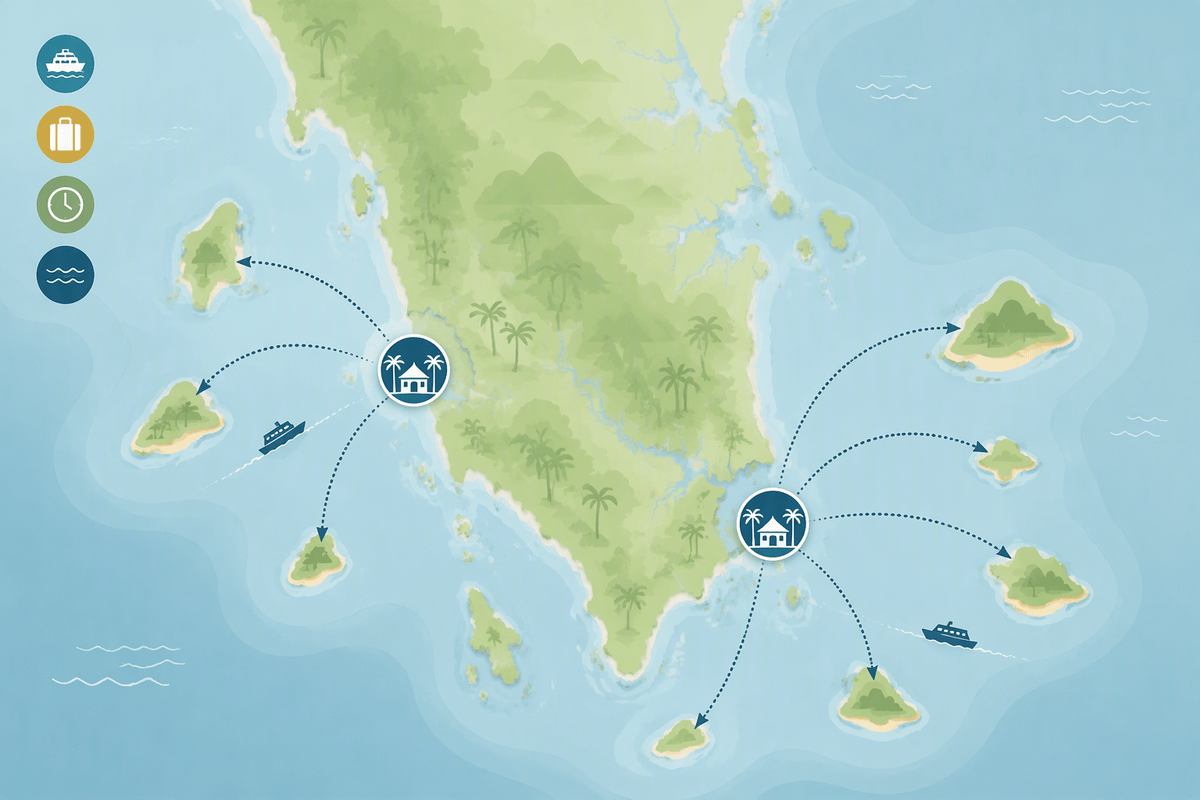
I learned quickly that “island hopping” is mostly a math problem: every new dot on the map comes with at least one luggage repack, a checkout clock, and a boat schedule that doesn’t care if you slept in. If you want it to feel simple, choose one hub island/coastal town and treat everything else as a day trip until you’ve earned a second base. Phuket and Krabi are the cleanest Andaman hubs (tons of boats, tours, and backup options), but they also absorb crowds—especially if you’re trying to do sunrise everything. Samui is the Gulf equivalent for convenience, though it can feel more resort-forward (great for recovery days, less great if you’re chasing “quiet local vibe” without effort).
Sequencing matters more than the actual island names. Start with the place that’s easiest to reach from your city anchor (usually a flight into Phuket, Krabi, or Samui), then move outward only once. On the Andaman side, I’d rather sleep in Krabi/Ao Nang or Railay and do Phi Phi as a long day than drag my bags there for one night—the scenery is real, but the logistics and prices get tiring fast. In the Gulf, Tao rewards you if you stay put (snorkeling/diving rhythm), while Phangan is best if your dates line up; otherwise you can end up paying “party island” costs for a quiet week.
Timing: for a 10–14 day first trip, two beach bases is the ceiling if you want afternoons that aren’t eaten by transport. I like 4–6 nights in the first hub (to absorb weather and still have a good day-trip window), then 3–5 nights in a second island only if it’s on the same ferry network. Anything shorter starts to feel like you’re collecting hotel keycards. And build one “messy day” into the plan—boats run late, seas get choppy, and the most expensive island mistake is assuming every transfer day will be smooth enough to stack with plans.
Night markets: what to eat, buy, and avoid
The first night I tried to “just browse” a Bangkok market, I lasted about ten minutes before hunger and decision fatigue teamed up: everything smelled great, lines were chaos, and I couldn’t tell what was worth waiting for. Markets work best when you arrive with one anchor craving (mango sticky rice, grilled pork skewers, a proper bowl of noodles) and let everything else be optional; otherwise you’ll drift, overbuy, and somehow still leave unsatisfied.
Food-wise, I trust stalls that are busy with locals, cook to order, and don’t have a laminated photo menu in five languages—imperfect rule, but it’s saved me more than once. If you’re heat-sensitive, start with satay, pad kra pao, or grilled seafood before going hard on chili-heavy som tam; it’s a lot easier to add spice than to recover from it mid-walk. One practical constraint: many markets are cash-first and change can be slow, so showing up with small bills keeps you moving instead of hovering awkwardly behind a family buying twenty skewers.
What to buy: small, packable things you’ll actually use (spices, tea, simple textiles) beat bulky “Thailand” souvenirs that feel fun at 11 p.m. and annoying at airport check-in. What to skip: anything branded “too good to be true,” wildlife products, and overpriced “floating market” trinkets clearly aimed at bus tours—if the shopping feels like a trap, it usually is.
Hidden gems without the regret: ethical, doable, safe
I almost booked one of those “secret” animal encounters because the photos looked gentle—until I read the fine print and realized “hands-on” usually means the animal has no choice. In Thailand, the hidden-gem test I use is simple: does the experience still work if you remove touching, riding, feeding, or forced closeness? If not, it’s not a gem, it’s a staged interaction with a conscience tax. The same goes for “tiger/coffee/instagram” stops that promise authenticity but funnel you through a gift shop on a fixed timer.
When you want something that feels local without gambling an entire day, aim for small-friction wins: a morning temple visit outside peak hours, a neighborhood food crawl away from the headline markets, or a viewpoint you can reach by Grab/taxi without needing a tour bus. These work because you can bail quickly if it’s crowded or raining, and you’re not locked into prepaid transfers. The constraint is that “quiet” often requires earlier starts—if you hate mornings, choose fewer targets and accept you’ll share them.
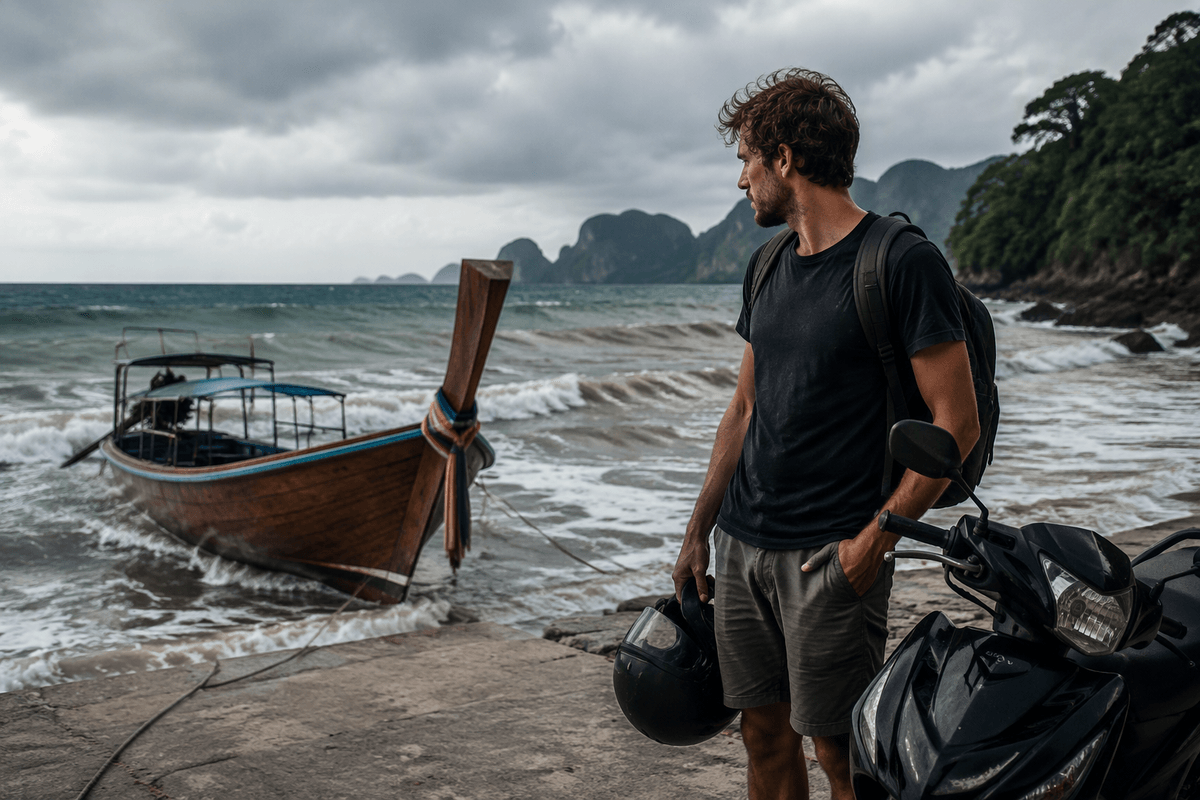
For safety, I skip anything that stacks risk on top of fatigue: scooter rentals on day one, “sunset hikes” that end in total darkness, or longtail boats when the sea is clearly rough. If a gem depends on perfect weather, perfect timing, and perfect confidence, it’s better as a bonus than a pillar of your route.
Leave with a plan you’ll actually enjoy
On my last night, I stopped trying to “maximize Thailand” and wrote a plan that fit my energy: one city anchor, one coast, and only one move between beach bases—because every extra transfer had been stealing the exact hours I thought I was booking. The constraint is obvious: you won’t hit every famous spot, and that has to be okay, or you’ll keep renegotiating the itinerary mid-trip.
If you’re torn, decide by the kind of bad day you can tolerate: rain delays (build buffer nights), crowds (start earlier or simplify), or fatigue (stay put longer). Lock in the bones—flights, first hotel, and your main beach hub—then leave the rest intentionally loose. The best trip I saw wasn’t the busiest; it was the one that left room to say “not today” without feeling behind.