Why family trips feel riskier than expected
I always feel it right at the airport gate: two kids suddenly need snacks, a bathroom, and a charger—exactly when my “safety plan” is still a tab I haven’t opened. Family trips feel riskier because the margin for error shrinks fast; one missed nap or skipped handwash turns into a rough night, and a minor cough becomes a logistics problem when you’re far from your usual pharmacy and pediatrician.
What makes it stressful isn’t just danger—it’s decision overload. You’re juggling low-probability/high-impact stuff (injury, lost meds, dehydration) alongside high-probability/low-impact annoyances (tummy trouble, sunburn, motion sickness). The hard part is choosing what to prevent aggressively versus what to handle with a simple backup plan, because every extra “just in case” item costs time, money, suitcase space, and patience.
Pre-trip health prep: docs, meds
The first real fork-in-the-road for me is the calendar: if you wait until the week before departure, you’ll end up paying rush prices (or simply running out of options) for things that are easy when you start early. I block 20 minutes to message our pediatrician with the destination, dates, and the kids’ ages, then ask one narrow question: “What’s essential for us versus nice-to-have?” That one prompt usually trims the noise—especially if your trip is more city-and-resort than rural-and-adventurous, or if one kid has asthma/allergies and the other doesn’t.
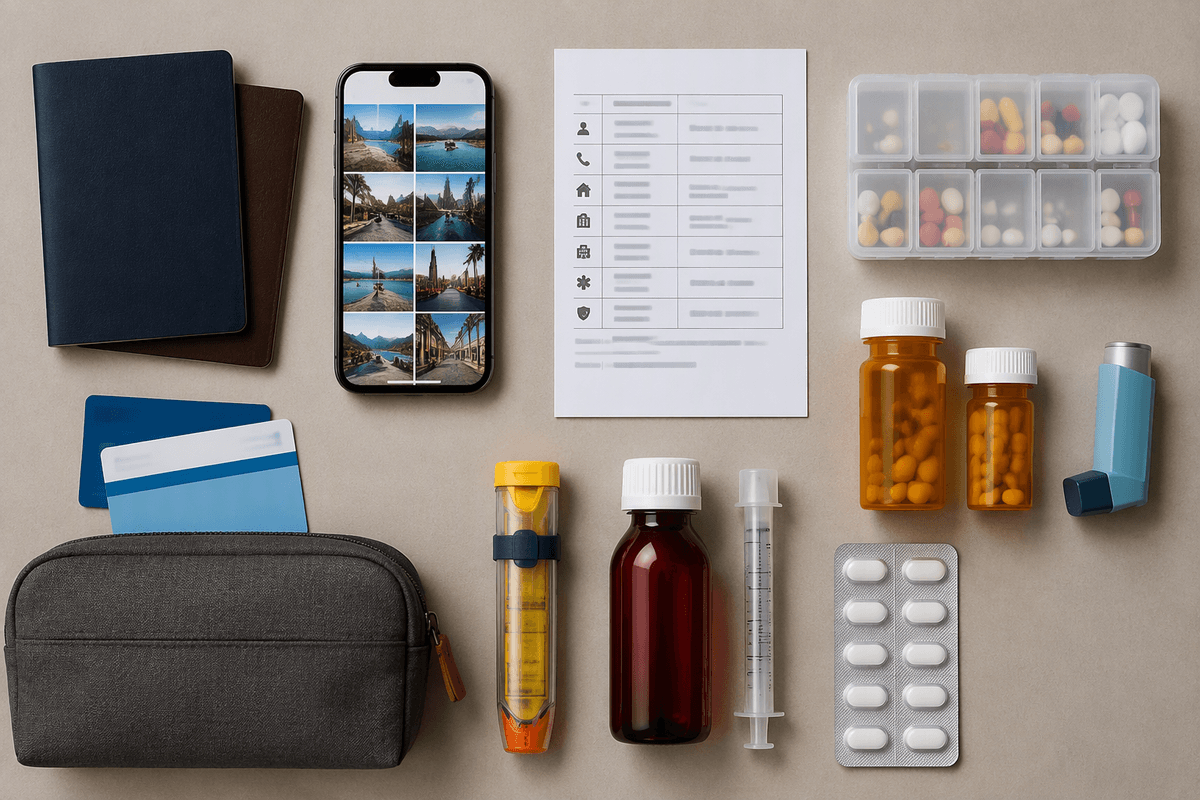
Documents are boring until they aren’t. I keep digital photos of insurance cards, passports, and immunization records in a single offline folder, and I print one page with: pediatrician number, allergy list, meds + doses, and who can consent to treatment if one parent steps out with a kid. Printing feels old-school, but phones die right when you’re stressed.
Safety planning: transport, lodging, and scams
The moment I feel safety planning get real is not in a spreadsheet—it’s when I’m staring at a “too good to be true” transfer offer after a long flight, with two tired kids and zero patience left for negotiation. This is where I force a simple priority order: reduce crash risk first (transport), reduce “can’t sleep / can’t relax” risk second (lodging), and then reduce money-and-passport chaos (scams). Anything beyond that is usually diminishing returns for a 7–10 day trip.
For transport, I pick one default mode per leg (airport → hotel, day trips, nights) so I’m not re-deciding under stress. If you need car seats, the cleanest option is bringing lightweight travel seats—even if it’s annoying through the airport—because “we’ll request one” is unreliable and often the wrong size. In cities with good transit, I’ll choose trains/metros over late-night rideshares; it’s not always the fastest, but it cuts down on the fuzzy moment where you’re evaluating a driver, a route, and two cranky kids at once.
Lodging is less about stars and more about control: 24-hour check-in or a clear late-arrival process, a quiet-enough room, and a location that doesn’t require a complicated walk home after dark. I’ll pay slightly more to avoid an “amazing deal” that adds a daily taxi dependency or puts you above a loud bar—sleep debt makes every other risk harder to manage. For scams, I keep it boring: use official apps/desks when possible, don’t hand over passports as “collateral,” and set one family rule that actually works with kids—if we’re approached, we step aside, pause, and I do the talking.
Food, water, and hygiene on the go
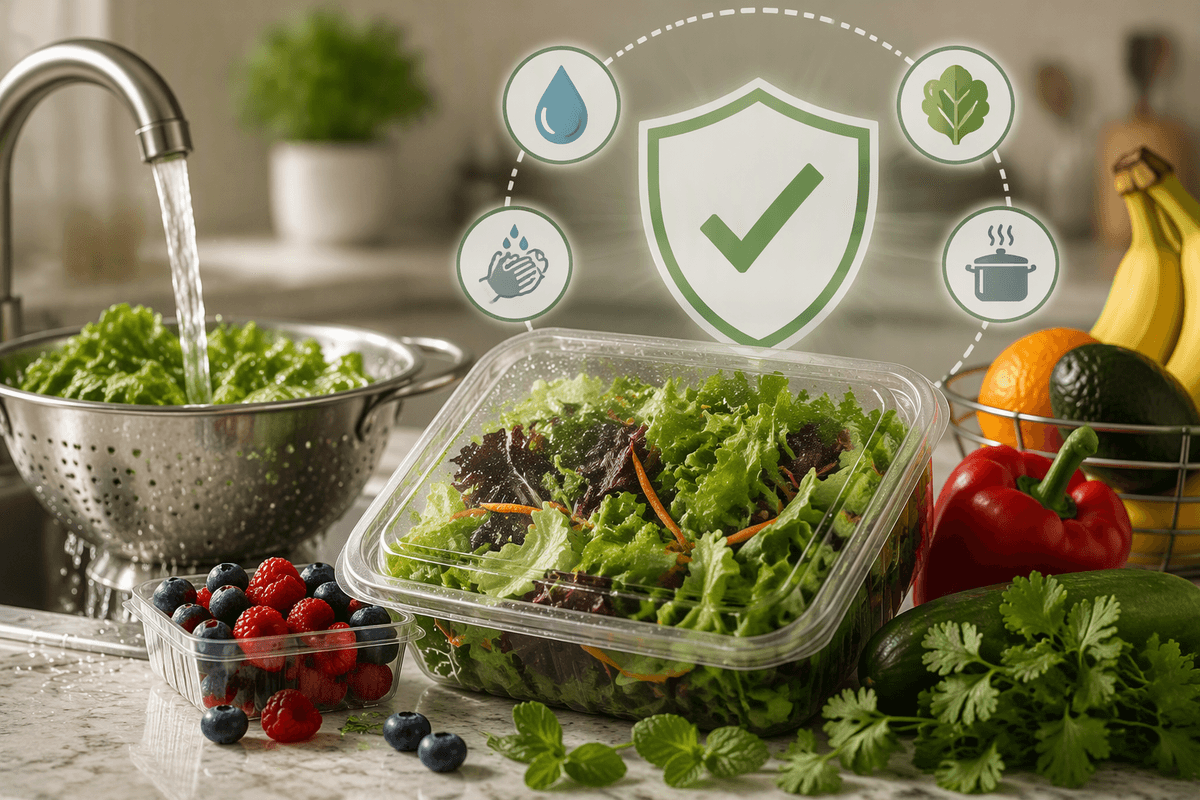
The first time food and water decisions start to matter is usually the least convenient moment: you’re hungry, the kids are hungrier, and the closest option is a mystery smoothie stand with no sink in sight. I’ve learned to decide in advance what I’m strict about and what I’m flexible about, because “play it by ear” turns into inconsistent rules that kids can’t follow (and parents can’t enforce when tired). My strict list is short: safe drinking water, clean hands before eating, and avoiding the highest-risk foods when we’re far from our hotel.
Water is the easiest place to simplify. If I don’t fully trust the tap, we default to sealed bottles for drinking and toothbrushing, and I keep one backup plan for refills (hotel water station, big jug in the room, or a filter bottle). It costs more and creates plastic waste, but the alternative is gambling on a stomach bug that can wipe out two vacation days. Ice is the annoying gray area: I’ll take it at established restaurants and skip it at roadside spots where everything else looks improvised.
Managing routines: sleep, sun, screens, meltdowns
The first routine decision that actually affects our whole week is what we do on night one: do we “push through” to local bedtime or let the kids crash whenever they crash? If the time shift is big, we aim for a compromise—early bedtime but not an immediate 5 p.m. collapse—because the 3 a.m. wake-up spiral is hard to undo once it starts. What works better than willpower is control: I pack one small “sleep kit” (white-noise app + tiny speaker, a familiar bedtime book, a couple of melatonin-free cues like the same pajamas), and I’ll pay for a slightly quieter room rather than assume earplugs will save us. You can fix a lot of travel problems, but you can’t bargain with an overtired seven-year-old.
Sun management is similar: a little structure prevents a lot of regret. We treat midday like a constraint, not a suggestion—shade/lunch/indoor time when the sun is strongest—and we’re more flexible in the morning and late afternoon when everyone’s mood is better anyway. The friction is that sunscreen takes time and kids hate reapplying, so I rely more on physical blockers (hats, rash guards, lightweight long sleeves) and use sunscreen for the exposed areas. It’s not perfect, but it reduces the number of “full-body reapply” battles.
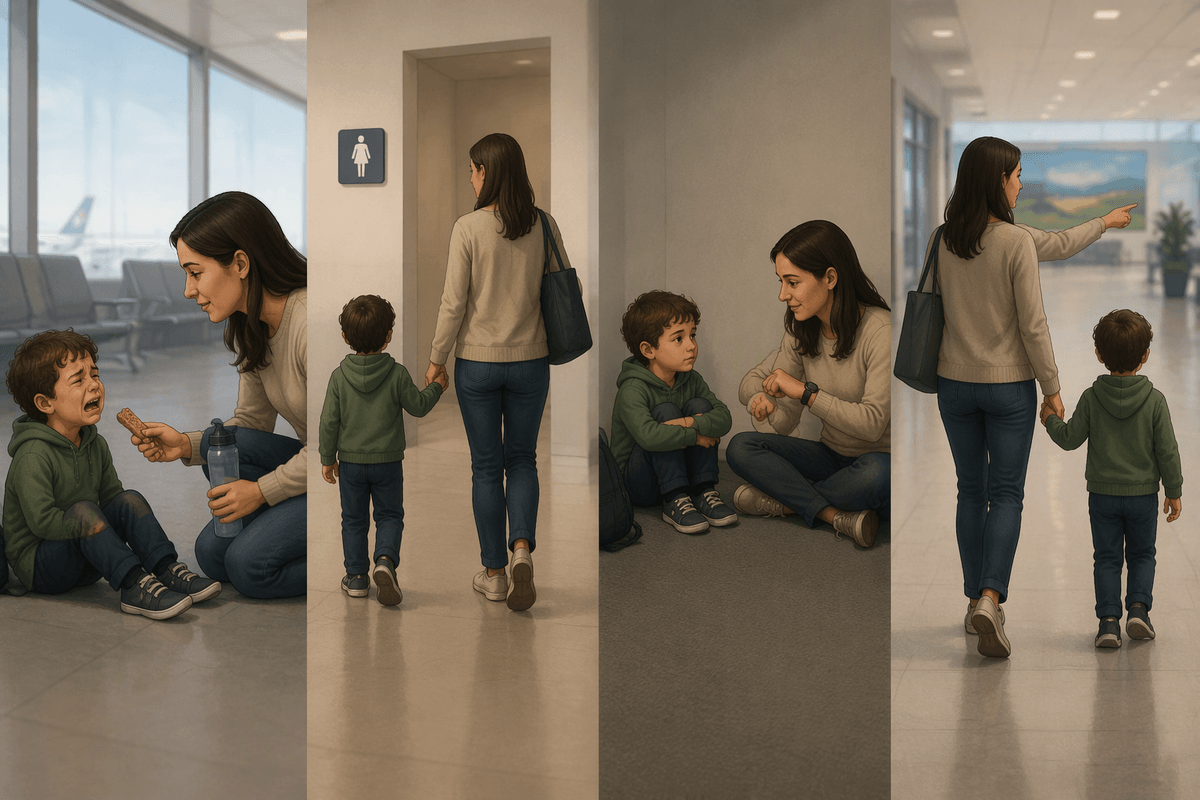
Screens are my pressure valve, not my default. I pre-load a few offline options and set one rule the kids can understand: screens are for transitions (flights, long waits, post-lunch reset), not as a cure for every complaint. It doesn’t eliminate meltdowns—nothing does—but it keeps them from stacking. When a meltdown happens, the only move that reliably helps is shrinking the decision load: snack + water, bathroom check, 10 quiet minutes, then pick the next single step. The plan looks boring on paper, but it’s how you protect the parts of the trip you actually came for.
When things go wrong: illness, injury, emergencies
The closest we came to a “trip-ending moment” was a simple fever that showed up at 6:30 p.m., right when everything local was closing and we were debating whether it was a wait-it-out night or an urgent-care hunt. What helped wasn’t medical genius—it was having a decision ladder already picked: (1) treat and observe in-room, (2) call your insurer/telehealth line, (3) go in. Without that, you’ll bounce between Google, panic, and “maybe it’s fine,” and you’ll waste the one resource you need most: calm time.
For illness, my line is less about the number on the thermometer and more about function: can the kid drink and pee normally, keep meds down, and perk up a bit after fever reducer? If yes, we usually buy ourselves a night and reassess in the morning, because dragging a miserable kid through unfamiliar clinics can make everyone worse. If no—dehydration signs, breathing trouble, severe pain, a rash that’s spreading fast—then the inconvenience cost is worth paying immediately. The practical friction: pharmacies don’t stock the exact brand you use, so having the dosing info (mg, not “one spoon”) and a photo of the box saves you from a language-and-math problem when you’re tired.
For injuries and true emergencies, I plan around two failure points: lost meds and lost time. I keep one “grab list” in the same pocket every day—IDs, insurance info, meds list, and a card with the hotel address in the local language—because you won’t re-pack thoughtfully when adrenaline hits. And I decide in advance what I’m willing to pay for coverage: if your plan includes car rentals, water activities, or lots of moving between towns, better medical/evac coverage can be rational; if you’re mostly in one city with good hospitals, it can be expensive comfort. Either way, the goal is the same: reduce the number of decisions you have to make while your kid is crying and you’re trying to be the adult.
Travel confidently: the safe-and-healthy family mindset
On our last morning, I caught myself doing the thing I always do: mentally replaying every decision—water, sunscreen, transit, snacks—as if the goal was a perfect score. It never is. What actually makes a family trip feel safer is noticing when you’re drifting into “prevent everything” mode (heavy bags, rigid rules, constant checking) and switching back to “keep problems small” mode, where the plan is simple enough to execute when you’re tired.
The mindset I lean on is a three-bucket filter: non‑negotiables (seatbelts/car seats, drinking-water plan, critical meds), high-payoff habits (hands before eating, midday shade, early bedtime course-corrects), and acceptable risks (the occasional street snack, a late night, one extra activity) that you only take when the kids are fed, hydrated, and not already fraying. This keeps you from spending your limited prep time on low-impact gear or insurance add-ons that don’t match your itinerary.
If you only keep one checklist, make it “today-ready”: IDs + insurance access, meds list with doses, one thermometer/fever reducer, and your decision ladder for when to watch, call, or go in. The confidence comes from knowing you can handle the common stuff without letting it steal the whole week.