Why Cyclospora outbreaks feel unusually hard to avoid
You notice it first at the fridge: the bagged salad looks fine, the herbs smell normal, and nothing about the berries suggests “don’t eat me.” That’s part of what makes Cyclospora outbreaks feel slippery. The foods people depend on for quick, no-cook meals are often the same ones that are hardest to “fix” at home—because the problem, when it happens, usually didn’t start in your kitchen.
Contamination can occur earlier in the supply chain (before a clamshell ever hits a shelf), and the parasite typically needs time after being shed to become infectious. So the risky moment may be days behind the shopping trip, and the symptoms can show up after you’ve already rotated through several meals. Add in the fact that these items are commonly eaten raw—and that rinsing can feel thorough without being reliably effective—and it can leave shoppers feeling like they’re guessing based on headlines instead of something they can see or smell.
The hidden pathway from farm water to kitchen
It often starts with a detail you never see on the label: water. Not the quick rinse you do at the sink, but the water that touches leaves and fruit long before they reach a store—irrigation, rinses at harvest, dunk tanks, spray-wash systems, even ice or mist used to keep produce looking “fresh.” If that water is contaminated at any point, the exposure can ride along on surfaces that still look perfectly normal by dinner time.
What makes the pathway feel hidden is how easily items get mixed. A single lot can be combined during packing, then split across brands, bag sizes, or store chains. Bagged salads and herbs are especially tricky because they’re handled, cut, and pooled—small amounts from many fields end up in one “easy meal” package. By the time an outbreak alert mentions a farm region or packing date, you may only have a vague clue (a brand, a best-by stamp) and a lot of uncertainty in between.
Symptoms and delays that blur the connection
The first sign is usually something ordinary enough to blame on dinner: a few days of stomach upset, a dip in appetite, a vague “off” feeling that comes and goes. Cyclospora-related symptoms often don’t line up neatly with the last thing you ate. Because there can be a delay between exposure and feeling sick, it’s easy to pin it on a restaurant meal, a new coffee creamer, or “something that didn’t agree with me,” while the real link may be a salad kit you finished earlier in the week.
That delay also makes patterns harder to spot inside a household. One person may get hit harder, another may feel fine, and the produce itself is long gone by the time anyone starts checking labels. When outbreak updates mention specific items and packing windows, it can feel oddly anticlimactic—your symptoms are happening now, but the relevant purchase may have been several grocery trips back.
Rinsing feels reassuring, but may not solve it
The sink moment is where most people try to take control: a long rinse, a few extra swishes, maybe a splash of vinegar because it feels like it should help. And with dirt or grit, that effort pays off—you can see the difference. With Cyclospora, the frustrating part is that you’re often washing for something you can’t see, and “looks clean” can be a misleading endpoint.
For leafy greens and herbs, water can miss the places that matter: folds, cut edges, tight bunches, and the damp seams where bagged mixes clump together. Some packages also encourage a false sense of security (“triple-washed”), which may reduce general debris but doesn’t mean every risk is neutralized. Even when you rinse carefully, the outcome can be inconsistent—especially if you’re also using the same colander, sink, or cutting board for other ingredients. In practice, rinsing is more like reducing uncertainty a little, not flipping a switch from “unsafe” to “safe.”
Which produce choices lower uncertainty during outbreaks
In the produce aisle, the “safe” feeling often comes from the shape of the item, not the headline. A sealed salad kit with chopped greens and mix-ins is convenient, but it’s also a pooled product—many leaves, more handling, more chances for one contaminated lot to get spread around. During an outbreak, that pooling effect can make your risk feel harder to predict, especially if you can’t match a brand, lot code, or best-by date to what’s being discussed.
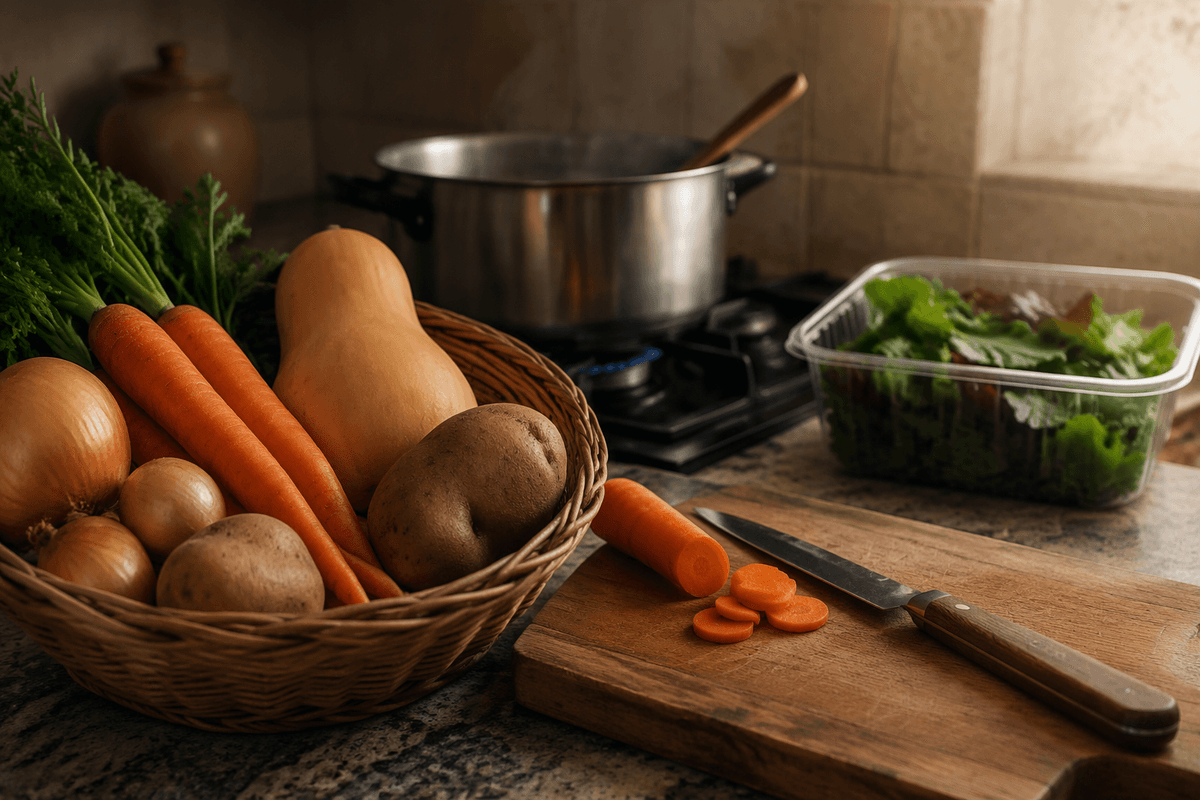
Lower-uncertainty choices tend to be the ones that narrow the chain: whole produce you can peel (citrus, bananas, avocados), sturdy vegetables you’ll cook, or items that aren’t typically eaten raw in big volume. It’s not a guarantee—outbreaks can involve different crops—but it reduces the “one bag touched many fields” problem. The other practical filter is traceability: if an alert names a specific item and packing window, anything you can’t clearly rule in or out may feel like a coin flip, even if it looks perfect.
Kitchen habits that reduce cross-contamination spillover
It’s usually the cleanup that gives it away: you’ve prepped salad on autopilot, then notice the cutting board is wet, the sink has a few stray leaves, and the towel you grabbed is now damp. In that moment, the risk doesn’t feel like “the lettuce” anymore—it feels like everything that touched the lettuce. With Cyclospora worries, the frustrating part is that a careful rinse can coexist with sloppy spillover: the same hands twisting a bag open, then reaching into the crisper drawer, the same knife moving from herbs to a sliced peach, the same colander set back into the sink basin.
What helps most is treating raw produce prep like its own short, contained job. A quick reset—fresh towel or paper towels, a clean board, and a rinse of the sink/colander after draining—can matter more than extra minutes of swishing. It’s not about making your kitchen “sterile,” and it won’t erase upstream contamination, but it can reduce the messy, inconsistent way one questionable ingredient turns into a whole-counter problem.
When to seek care and report suspected illness
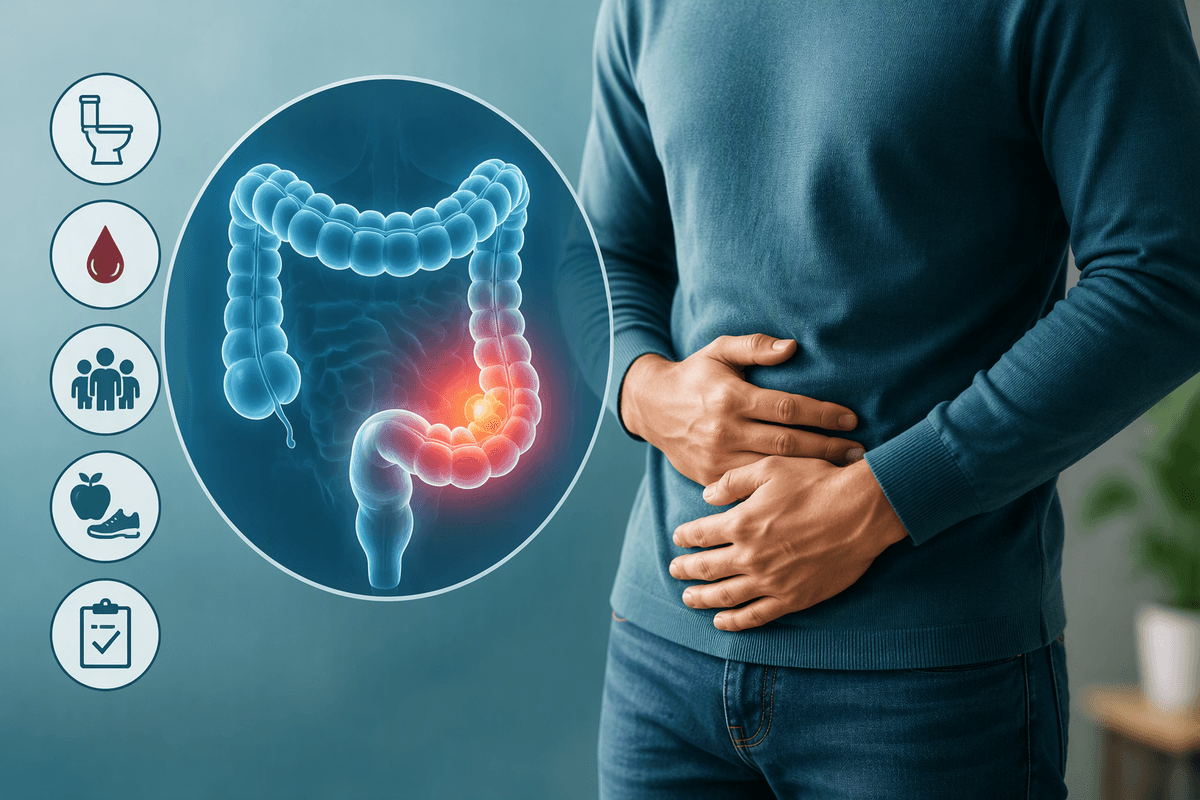
It’s often the second week that makes people pause: the stomach symptoms don’t quite resolve, then swing back after you thought you were done with them. That stop-and-start pattern can be easy to downplay as “something I ate,” especially if everyone in the house isn’t equally affected. But if diarrhea is persistent or returning, if you’re getting dehydrated (dizziness, very dark urine, struggling to keep fluids down), or if fever or severe abdominal pain is in the mix, it’s usually worth getting medical advice rather than waiting it out.
Reporting matters more than it feels like it should. If you suspect a link to fresh produce—especially bagged salads, herbs, or berries—try to keep any packaging, take a photo of lot codes/best-by dates, and write down where and when you bought it. Even if you’re not sure, those details help local health departments connect scattered cases into a clearer signal, which can turn vague warnings into specific recalls.